By the Leigh McPherson Team
Owning a home in Orange Beach means living steps from one of the most beautiful stretches of the Gulf Coast. The views are stunning, the lifestyle is unmatched, and the real estate holds remarkable long-term value. It also means your home is working harder than most, and your roof is on the front line. Between the salt-laden air rolling in off the water, the intense summer sun, and the occasional high-wind event that sweeps through the Gulf region, the roofing materials you choose can mean the difference between a system that lasts decades and one that requires constant attention.
Choosing the right roof for a coastal home isn't as simple as picking a color or a price point. It requires understanding how different materials hold up against moisture intrusion, UV degradation, and the kind of sustained wind pressure that's common in coastal Alabama. The good news is that the roofing industry has advanced significantly, and homeowners in Orange Beach today have access to materials purpose-built for demanding coastal environments.
Whether you're buying a beachfront property, planning a renovation, or building new construction along the coast, this guide will walk you through the most important considerations, the top material options, and what to look for when evaluating your choices. Getting this decision right from the start protects your investment for years to come.
Key Takeaways
- Salt air accelerates corrosion on roofing materials not designed for coastal exposure, making material selection a critical decision for Orange Beach homeowners.
- Metal roofing, concrete tile, and impact-rated architectural shingles are among the strongest performers in coastal environments.
- Wind resistance ratings and impact classifications matter as much as material type when evaluating roofing for Gulf Coast properties.
- Proper underlayment, flashing, and ventilation are just as important as the visible roofing material itself.
- Understanding the long-term maintenance profile of your roofing system will help you make a more cost-effective choice over time.
Why Coastal Conditions Demand a Different Approach to Roofing
The roofing challenges along the Alabama Gulf Coast are distinct from what homeowners in inland markets typically face. Salt air is one of the most notable factors. When airborne salt particles settle on roofing materials, they accelerate oxidation and corrosion, particularly on metal components like fasteners, flashing, and gutters. Over time, this can compromise the structural integrity of even a well-installed roof if the wrong materials were used.
High humidity levels, which are common throughout the warmer months in Orange Beach, create conditions wherein moisture can work its way into seams, gaps, and underlayment layers. Combined with the intense UV exposure from the Gulf Coast sun, this creates a cycle of expansion, contraction, and material fatigue that shortens the lifespan of roofing systems that weren't designed with these conditions in mind.
Wind performance is another critical variable. Coastal Alabama sits within a region where roofs are expected to meet stricter building code requirements for wind uplift resistance. A roofing system's ability to stay secured under sustained pressure, without lifting at the edges or losing fasteners, is a practical consideration that should be part of every coastal roofing conversation.
What Makes Coastal Roofing Different
- Salt air exposure corrodes standard fasteners and metal components faster than in inland environments, requiring corrosion-resistant materials throughout the system.
- UV intensity along the Gulf Coast is higher than in many parts of the country, degrading organic materials and adhesives more quickly without UV-stabilized products.
- High humidity throughout the year increases the risk of mold, mildew, and moisture infiltration in roofing assemblies not properly ventilated.
Metal Roofing: A Top Performer for Gulf Coast Homes
Metal roofing has become one of the most frequently recommended options for coastal homes in Orange Beach, and the reasons are well-supported by real-world performance. When properly specified for marine environments, standing seam metal roofs offer exceptional longevity, often lasting 40 to 70 years with minimal maintenance. The key is selecting metal systems that use aluminum or Galvalume steel with a protective coating rated for salt air exposure. Standard galvanized products without marine-grade coatings are not recommended in coastal environments.
Standing seam metal roofs are particularly well-suited to the Gulf Coast because they use concealed fasteners, which reduces the number of penetration points where moisture or corrosion can enter. The interlocking panel design also performs well under wind pressure, and many systems carry high wind ratings. Metal roofing is also highly reflective, which contributes to energy efficiency.
The upfront cost of metal roofing is higher than that of asphalt shingles, but the long-term math tends to favor metal when you factor in the reduced frequency of replacement and maintenance. For buyers investing in Orange Beach real estate at any price point, it's a roofing system that supports long-term value rather than depreciating quickly.
Advantages of Metal Roofing in Coastal Environments
- Aluminum and Galvalume systems with marine-grade coatings resist salt air corrosion far better than steel products without protective treatment.
- Standing seam panels with concealed fasteners reduce the risk of water intrusion at connection points.
- High wind uplift ratings make metal roofing one of the better performers in coastal Alabama's wind load requirements.
- Metal roofs are highly recyclable and tend to have a smaller long-term environmental footprint than shingles that require frequent replacement.
Concrete and Clay Tile: Durability With Coastal Curb Appeal
Concrete and clay tile roofing have a long track record in coastal environments throughout the Gulf Coast, and for good reason. Tile is inherently resistant to moisture, salt air, and UV degradation in ways that organic materials simply aren't. It doesn't rot, it doesn't absorb water, and it holds its color and form over decades without the kind of maintenance cycle that other materials require.
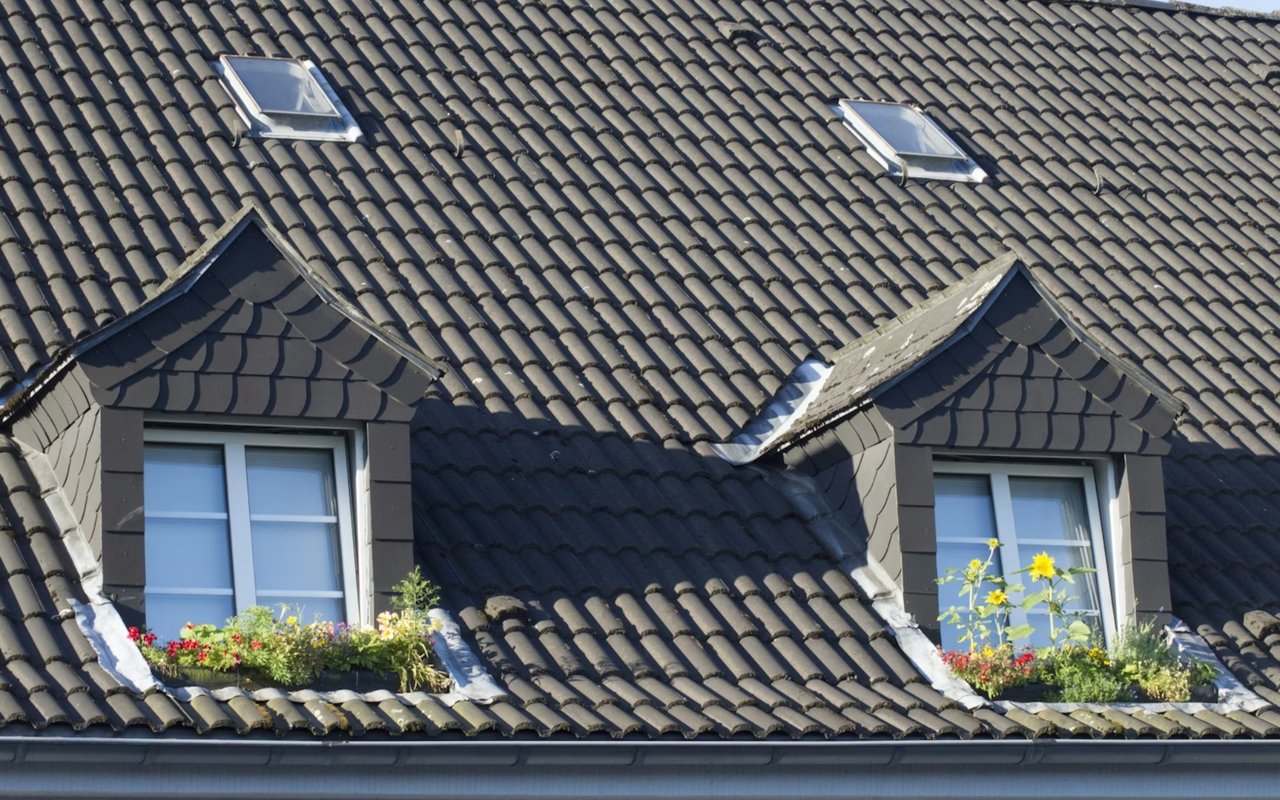
Clay tile, in particular, is one of the most durable roofing materials available for coastal applications. It's been used in humid, salt-rich coastal environments for centuries, and modern clay tile products carry impact ratings and wind certifications that make them appropriate for Gulf Coast construction. Concrete tile offers similar performance at a somewhat lower price point, though it is heavier than clay and requires a roof structure engineered to support the additional weight.
One consideration with tile roofing is the installation complexity. Proper underlayment selection is especially important in coastal environments because it provides a secondary moisture barrier when individual tiles are displaced or cracked. High-quality synthetic underlayment with strong moisture-resistance ratings should always be paired with tile systems in Orange Beach homes.
Key Considerations for Tile Roofing in Orange Beach
- Clay tile is naturally resistant to salt air and moisture, making it one of the more durable long-term options for Gulf Coast homes.
- Concrete tile is a cost-effective alternative to clay, though structural load capacity should be verified with a licensed contractor before installation.
- Underlayment quality matters with tile systems; synthetic underlayment with strong moisture ratings provides better performance in humid coastal environments.
- Both clay and concrete tile are available in profiles and colors that complement the architectural styles common in Orange Beach, from Gulf-front vacation homes to elevated construction.
Architectural Shingles: What To Know for Coastal Homes
Asphalt shingles remain one of the most widely used roofing materials nationwide, and they can perform well in Orange Beach homes when the right product is selected and properly installed. Standard three-tab shingles are generally not the best choice for coastal environments due to their lower wind resistance ratings and susceptibility to moisture-driven degradation. Architectural (laminated) shingles are a different story.
High-end architectural shingles, particularly those rated Class 4 impact and carrying high wind certifications (130 mph or above), offer a meaningful performance upgrade over standard products. Some manufacturers produce shingles specifically formulated for coastal climates with enhanced resistance to algae, moisture, and UV exposure. These products typically carry longer warranty terms and are backed by independent testing that validates their performance.
It's worth noting that even the best shingles have a shorter expected lifespan than metal or tile in coastal environments, typically in the 20 to 30 year range under ideal conditions. For homeowners who prefer shingles for budgetary or aesthetic reasons, selecting impact-rated, wind-certified products and ensuring proper installation is the best way to maximize the return on that investment.
What To Look For in Coastal-Grade Shingles
- Class 4 impact ratings indicate the highest level of resistance to debris impact.
- Wind certifications of 130 mph or higher are the baseline to look for when evaluating architectural shingles for Orange Beach homes.
- Algae-resistant shingles with copper or zinc granules help prevent the streaking and staining common in humid Gulf Coast conditions.
FAQs
What Is the Best Roofing Material for Coastal Homes in Orange Beach?
There's no single answer that applies to every home, but metal roofing and clay tile are consistently among the top recommendations for Gulf Coast properties because of their proven resistance to salt air, moisture, and wind. The best choice for your home will depend on your budget, your home's structural capacity, and your long-term maintenance preferences. A licensed contractor experienced in coastal roofing can walk you through the tradeoffs specific to your property.
How Does Salt Air Affect a Roof?
Salt air introduces corrosive particles that accelerate oxidation on metal components, degrade certain adhesives and sealants, and can shorten the lifespan of materials not rated for marine environments. This is why roofing systems in Orange Beach should use corrosion-resistant fasteners, flashing, and metal components throughout, regardless of which primary roofing material is selected.
What Is the Most Low-Maintenance Roofing Option for Coastal Homes?
Metal roofing and clay tile tend to require the least ongoing maintenance of the common coastal roofing options. Both materials are inherently resistant to moisture and salt exposure. That said, even low-maintenance roofing systems benefit from periodic inspections to catch any flashing issues, fastener concerns, or debris buildup.
Protect Your Orange Beach Home
Choosing the right roofing materials for a coastal home is one of the more consequential decisions you'll make as an Orange Beach homeowner. The roof over your head is your home's first line of defense against the elements, and in a coastal environment as active and beautiful as the Alabama Gulf Coast, it's worth getting right from the start. The materials you choose today will define your maintenance costs, your energy bills, and the long-term condition of the home beneath that roof for decades.
The
Leigh McPherson Team is here to help you navigate decisions like these. Whether you're buying, selling, or simply maximizing the value of a coastal property, we can connect you with the right resources and help you understand how home quality factors into the broader market. Reach out to our team today to get started.