How To Compare Orange Beach Condo Communities
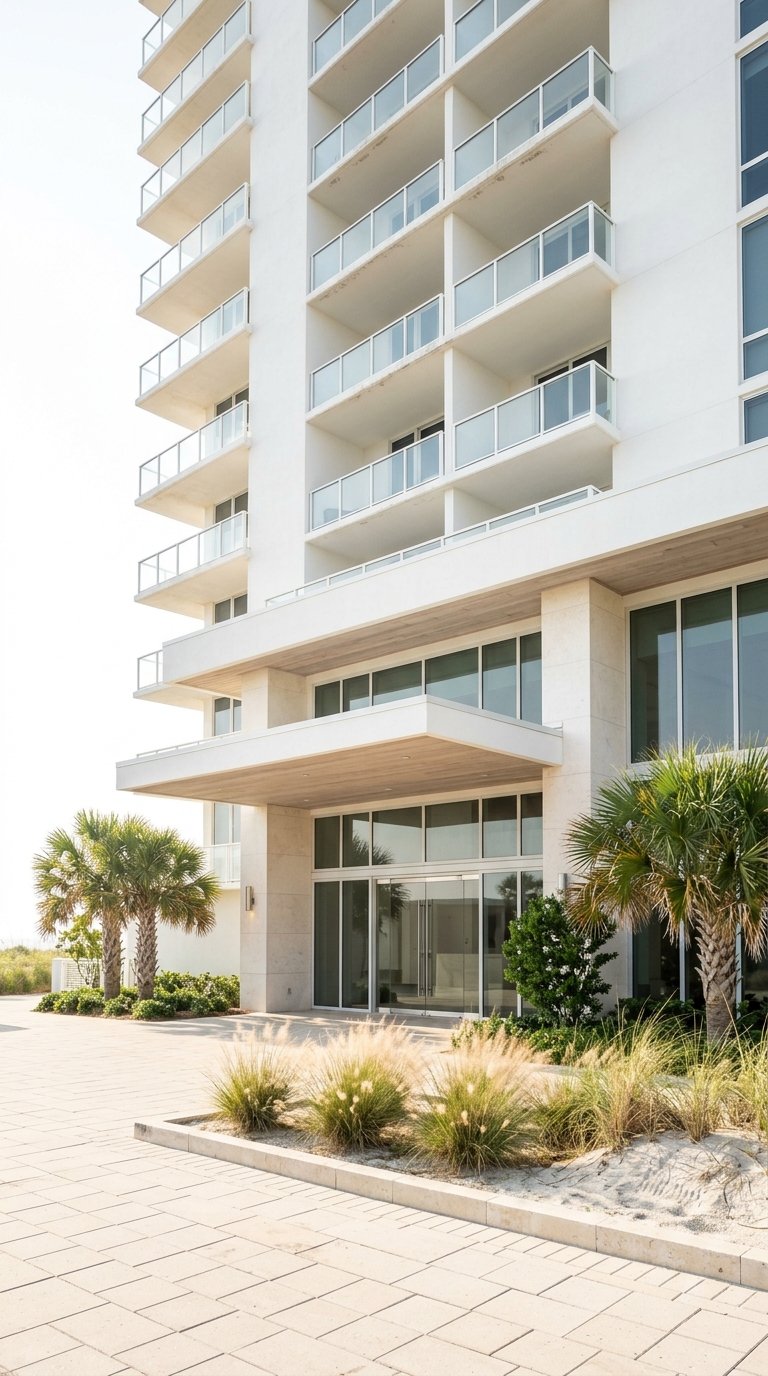
Buying a condo in Orange Beach can feel exciting right up until every building starts to blur together. One tower has better views, another has lower dues, and a third looks perfect for rental income, but the real differences often show up in the fine print. If you want to compare condo communities with confidence, you need a simple way to sort what matters most. Let’s dive in.
When you compare Orange Beach condo communities, it helps to focus on five core questions instead of getting stuck on amenity lists alone.
This framework fits Orange Beach especially well because flood exposure, rental rules, HOA documents, and ownership costs can vary meaningfully from one community to the next.
In Orange Beach, flood risk is not just a side note. The city states that the entire community is at risk of flooding, not only properties inside mapped flood zones. That makes the building’s setting, elevation, and exposure important parts of your comparison.
The city maintains an interactive floodplain map and elevation-certificate records for developments in Special Flood Hazard Areas. It also identifies common local flood zones such as X, AE, AO, Coastal AE, and VE. If you are comparing two condo communities, reviewing the parcel-specific flood information can help you understand whether one property may carry different insurance or storm-related considerations than another.
Two beachfront communities can offer a very different ownership experience even if they appear similar online. A building’s elevation, how close it sits to the water, and its coastal exposure can all affect risk, insurance planning, and long-term comfort with the purchase.
This is a smart time to ask for available elevation data, flood-related repair history, and insurance history. Those details can tell you more than photos ever will.
If you are buying with a specific goal in mind, such as a second home, primary residence, or rental property, verify that the building fits that use before you fall in love with a unit.
Orange Beach offers a Zoning Verification Letter process through its Planning and Zoning Department. The city also maintains vacation-rental regulations and a vacation-rental map. For condo buyers, the key takeaway is simple: confirm the parcel’s zoning and review the condo declaration before assuming a community functions like a hotel-style rental property.
Low HOA dues can look appealing at first glance, but dues alone do not tell you whether a condo community is well managed. A better comparison includes what the dues cover, how reserves are funded, and whether the association has discussed future fee increases or special assessments.
Under Alabama’s Condominium Act, buyers must receive key materials such as the declaration, bylaws, rules, projected budget, reserve information, insurance coverage, and zoning information. These documents give you the clearest picture of how the association operates and what ownership may really look like.
Reserve funding matters because it helps show whether a community is planning for repairs and replacements over time. If one association has stronger reserve line items and another appears underfunded, that difference may affect your comfort level even if the units are priced similarly.
You should also compare whether there are planned fee increases or any history of special assessments. Those details are part of the true value equation, not just background paperwork.
If rental income is part of your plan, the condo documents deserve close attention. The declaration, bylaws, and house rules should spell out what is allowed, what is restricted, and what you would need to follow as an owner.
This matters because a building that looks investor-friendly may still have rules that affect your intended use. The goal is to know the exact rental framework before you buy, not after closing.
The list price is only the starting point. To compare condo communities fairly, you need to estimate the all-in monthly cost, including HOA dues, property taxes, and insurance.
Flood insurance should be treated as its own line item. Orange Beach states that flood insurance is not included in a standard homeowners policy, that building and contents coverage are purchased separately, and that a new flood policy has a 30-day waiting period before it takes effect.
Property-tax treatment can differ depending on how you use the condo. Baldwin County identifies Class III property as a second home that is non-rental or owner-occupied homestead property, while Class II includes rental property.
That distinction matters because only Class III properties can receive homestead exemptions. The county also notes that if a property is rented even one day during the year, it is treated as rental for the whole year. For many buyers, this is one of the most important financial differences between a personal-use condo and an income property.
Generic tax estimates can be misleading, especially when you are comparing multiple condo communities. Baldwin County says property values are reviewed at least once every four years, while tax levies are set annually.
That is why it makes sense to review parcel-specific county information when narrowing your list. A more exact estimate helps you compare communities on real numbers instead of rough assumptions.
The physical condition of the building plays a major role in both day-to-day ownership and future resale. Newer construction and recently updated common elements may stand apart from older communities that have different maintenance needs.
Orange Beach adopted new building and fire code standards effective January 1, 2026, including the 2024 International Building Code, 2024 International Fire Code, and 2024 International Existing Building Code, along with related coastal supplements. That makes construction era and renovation history useful points of comparison when you are weighing buildings side by side.
When you tour a community, pay attention to the condition of common areas, exterior surfaces, elevators, and amenities. These visible details often support what the budget and reserve documents show on paper.
A well-kept building does not guarantee there will never be future costs, but it can reflect consistent management and maintenance practices. Transparency from the association also matters when you are trying to judge how a community is run.
If two communities offer similar layouts and views, building history may become the deciding factor. Asking about flood-related repairs, insurance history, and available elevation information can help you compare long-term risk and preparedness more clearly.
In a coastal market like Orange Beach, that kind of detail is not overthinking it. It is part of making a smart purchase.
If you plan to rent out your condo, understand the local compliance steps before you buy. Orange Beach requires a business license for anyone doing business in the city, and the city’s FAQ states that the owner is responsible for the license even if a management company handles the rental.
That means rental ownership includes more than choosing a popular building. You also need to be comfortable with the city’s operating requirements.
Orange Beach says the current total lodging-tax rate is 16%, made up of 10% city, 4% state, and 2% Baldwin County lodging tax. The city also states that the tax is based on the rental rate, cleaning fee, and parking passes if applicable.
At the state level, Alabama applies lodgings tax to accommodations rented to transients for less than 180 days, and returns are due monthly on or before the 20th day of the following month. If an owner handles some lodging transactions directly and also uses a third-party facilitator, Alabama says the owner must obtain a state and local lodging-tax account for the transactions handled directly.
A condo community may be a great fit for one type of buyer and a poor fit for another. The right match depends on whether you want a lock-and-leave second home, a full-time residence, or a property that supports short-term rental use.
That is why the best comparison is not just building versus building. It is building versus your goals.
As you narrow your options, keep this short checklist with you:
A condo community can look perfect in photos and still be the wrong fit on paper. A careful comparison helps you buy with more clarity and fewer surprises.
If you want help sorting through Orange Beach condo options, the team at Leigh McPherson can help you compare buildings, documents, costs, and ownership goals with practical local guidance.
Stay up to date on the latest real estate trends.

Gulf Shores

Orange Beach real estate terms that help you buy a Gulf Coast home with confidence.

How to decide between an Orange Beach condo and a single-family home based on how you plan to live and use your Gulf Coast property.

How to create an Orange Beach coastal home that stays beautiful, holds up to salt air, and keeps its value for years.

Orange Beach kitchen renovation ideas that balance salt-air durability, Gulf Coast style, and everyday function.

What Sold
It is an honor to not only help dozens of clients buy or sell their properties but also see so many of their stories play out and get to be a part of writing a chapter. We strive to always take care of our clients with thorough communication, strategic negotiation skills, local contacts for specialized professions, area knowledge, as well as a touch of style and grace.