By the Leigh McPherson Team
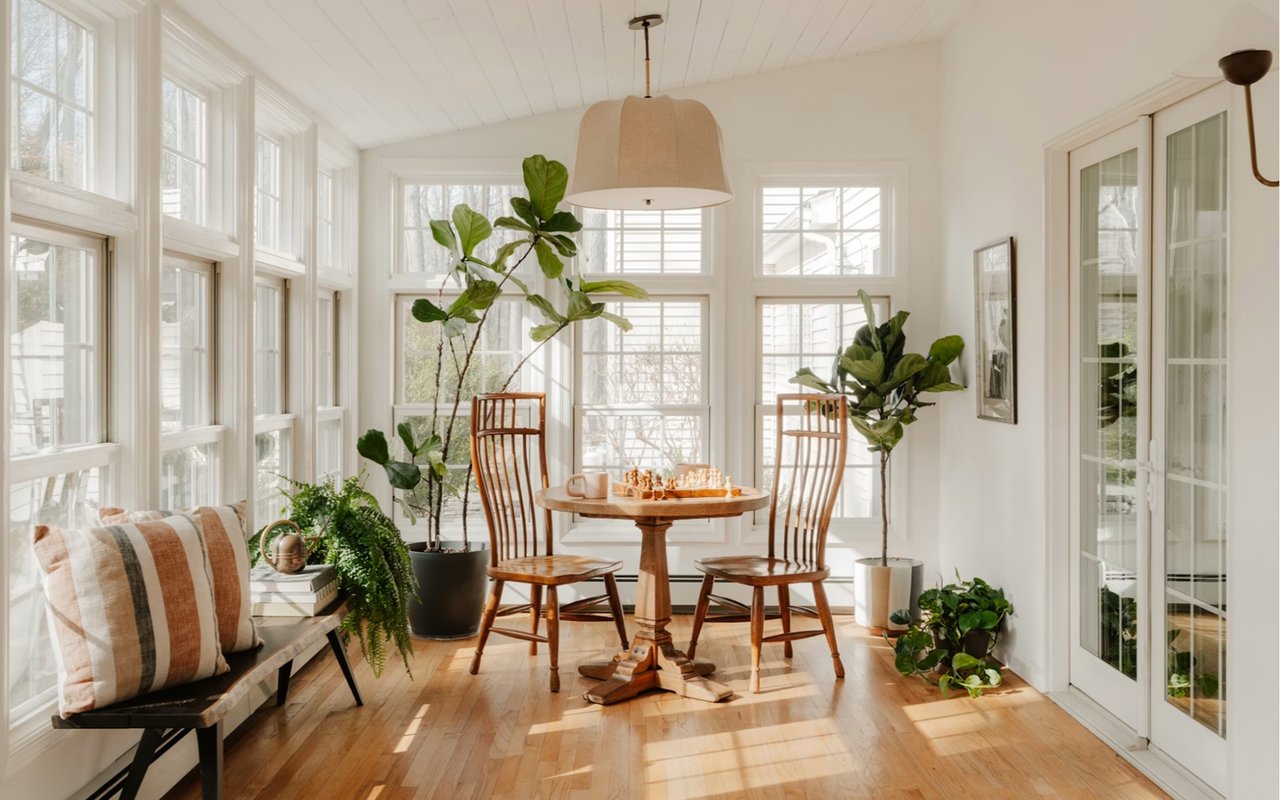
Picture the light that pours across Orange Beach in the late afternoon, when the water turns silver and the breeze off the Gulf carries just enough salt to remind you where you are. A sunroom or three-season room lets you hold onto that feeling long after the beach chairs are folded up.
If you own a home along the Alabama Gulf Coast, or if you are shopping for one, understanding how these rooms are built and designed will help you make smarter choices. Coastal conditions demand more thoughtful materials and a design sensibility tuned to sunlight and humidity.
Key Takeaways
- A sunroom is fully enclosed and climate-controlled, while a three-season room is designed for spring, summer, and fall use without full heating or cooling.
- Coastal builds require corrosion-resistant materials to hold up against salt air and Gulf storms.
- Thoughtful ventilation and shading keep these rooms comfortable through humid Gulf summers.
- A well-designed sunroom can recoup much of its cost at resale, making it a lifestyle upgrade and a smart investment in Orange Beach real estate.
What Is the Difference Between a Sunroom and a Three-Season Room?
A sunroom is a fully enclosed, climate-controlled addition you can use every day of the year, while a three-season room is built for comfortable use in spring, summer, and fall without a dedicated heating and cooling system.
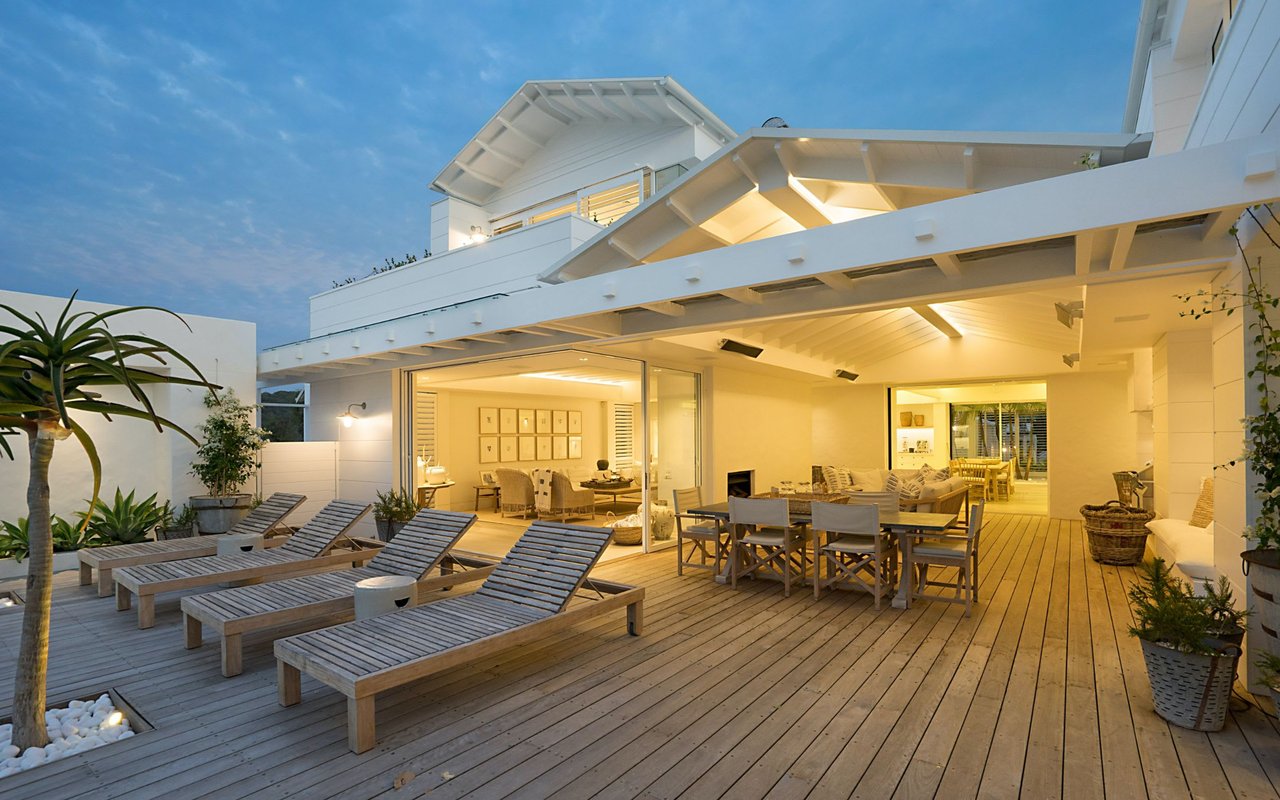
Sunrooms typically connect to your home's HVAC system or include their own mini-split unit. Along the Gulf Coast, where winters are mild and summers are hot, a climate-controlled sunroom gives you a bright, comfortable retreat regardless of the forecast. Three-season rooms, on the other hand, rely on screens, operable windows, and ceiling fans to stay pleasant.
How To Decide Which Room Fits Your Orange Beach Home
- Consider how often you want to use the space, since a sunroom supports daily year-round use while a three-season room shines in milder months.
- Think about resale appeal, because a climate-controlled sunroom often reads as additional living square footage to buyers.
- Evaluate your lot and how much sun the addition will receive throughout the day.
What Materials Hold Up Best in a Coastal Climate?
The materials that hold up best in a coastal climate are aluminum framing, impact-rated or tempered glass, composite or PVC trim, and moisture-resistant flooring, such as porcelain tile or luxury vinyl plank. Salt air is relentless along Orange Beach, so choosing corrosion-resistant components from the start protects your investment.
Aluminum is the workhorse of coastal sunroom construction because it resists rust and stands up to humidity, unlike untreated steel or certain woods that can warp and deteriorate. For glazing, impact-rated glass is worth the added cost, since it helps protect the room during Gulf storms while still delivering the wide, unobstructed views you want. Low-E coatings on the glass reduce heat gain and help keep the space comfortable when the summer sun is at its strongest.
Porcelain tile and luxury vinyl plank resist moisture and stand up to sandy feet coming in from the beach. Pairing durable materials with proper sealing and flashing ensures that your room stays dry through humid summers and storms.
Coastal-Grade Construction
- Choose aluminum or vinyl framing rather than untreated wood, so the structure resists salt corrosion.
- Select moisture-resistant flooring, such as porcelain tile or luxury vinyl plank, that handles sand and humidity.
- Confirm that flashing and sealing are done correctly.
How Do You Design a Sunroom To Capture Gulf Views?
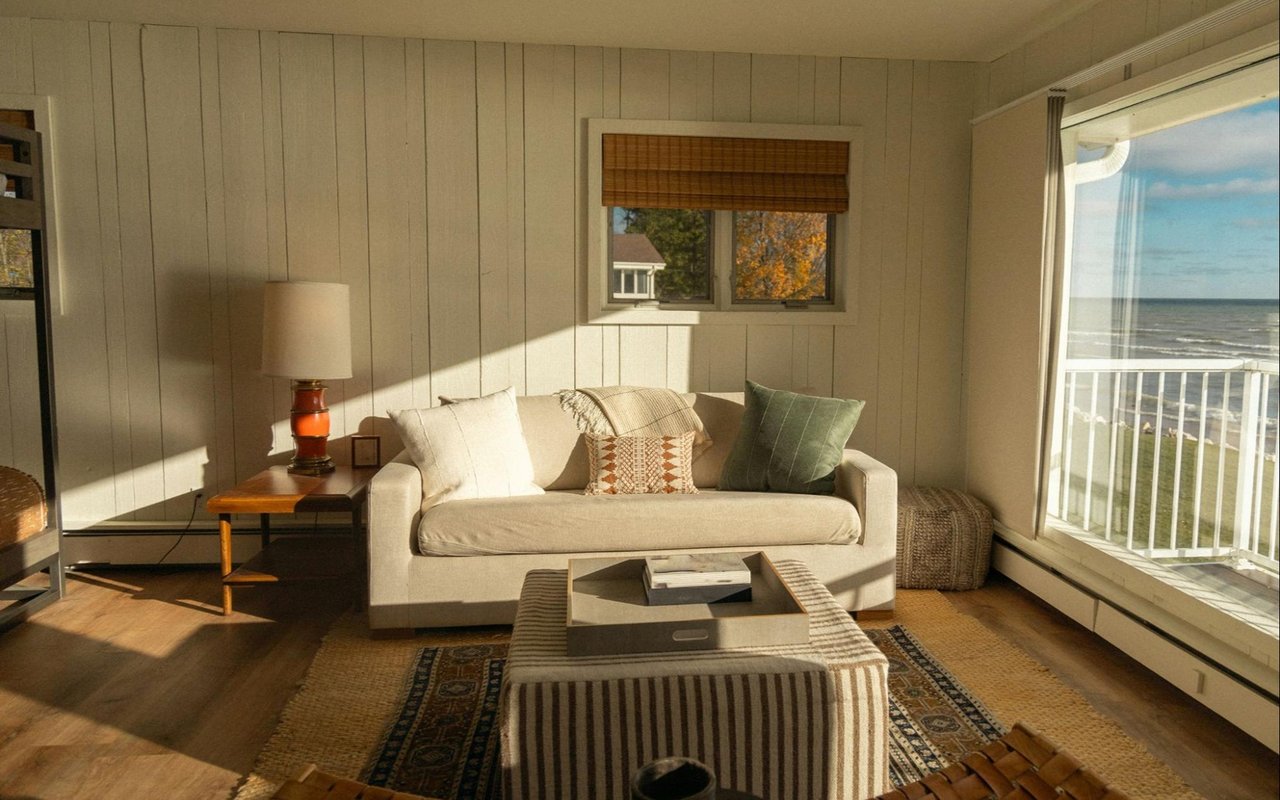
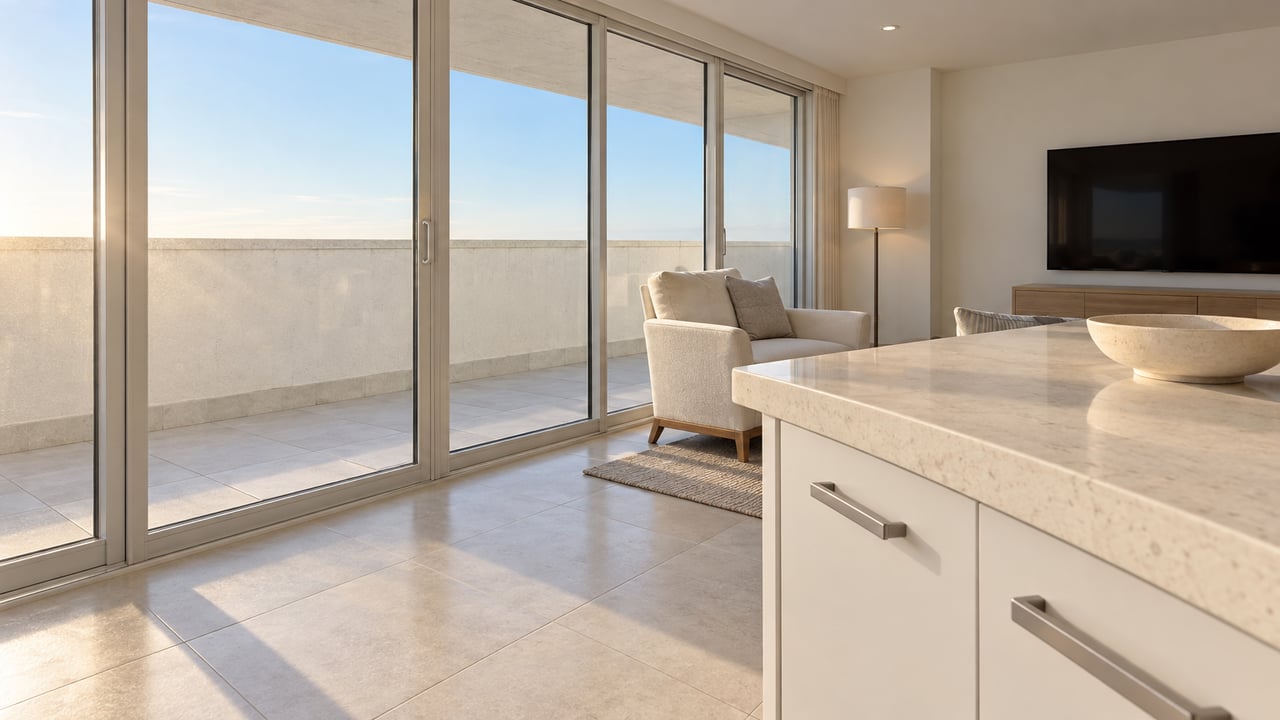
You can capture Gulf views by orienting the room toward the water, using floor-to-ceiling glass, and keeping framing and furnishings low and streamlined, so nothing competes with the horizon. The whole purpose of a coastal sunroom is the view, and a few deliberate design choices make the difference between a room that frames the Gulf beautifully and one that merely faces it.
A room positioned to look toward the water rewards you with sunrises, sunsets, or both, depending on your lot. Expanses of glass, including sliding or folding wall systems, dissolve the boundary between inside and out and pull the coastline into your everyday living space.
Light, breezy palettes in white, sand, and soft blue echo the setting and keep the space feeling airy. Low-profile furniture preserves sightlines to the water, while natural textures, such as rattan, linen, and weathered wood, reinforce the coastal mood. Layer in shades or louvered panels to soften the midday glare without sacrificing the view you built the room to enjoy.
Top Considerations for a View-Focused Design
- Orient the room toward the Gulf, so sunrises or sunsets become part of daily life.
- Maximize glazing with sliding or folding glass walls that open the room to the outdoors.
- Keep furniture low and streamlined, so nothing blocks the sightline to the water.
- Add adjustable shading, such as louvered panels or roller shades, to manage the strong coastal sun.
FAQs
Can a Sunroom Be Used Year-Round on the Gulf Coast?
Yes, a fully enclosed and climate-controlled sunroom can be used year-round on the Gulf Coast. With a connection to your HVAC system or a dedicated mini-split unit, the room stays comfortable through hot, humid summers and mild winters alike. A three-season room, by contrast, is best enjoyed in spring, summer, and fall, when screens and operable windows keep the air moving.
How Much Does a Coastal Sunroom Cost To Build?
A coastal sunroom generally costs more than a standard build because it requires corrosion-resistant framing, impact-rated glass, and moisture-resistant finishes. Three-season rooms sit at the lower end of the range since they skip full climate control, while fully enclosed, climate-controlled sunrooms cost more but deliver year-round use. The final figure depends on size, materials, and how much glazing you choose.
What Is the Best Flooring for a Sunroom Near the Beach?
The best flooring for a sunroom near the beach is porcelain tile or luxury vinyl plank, both of which resist moisture, handle sand well, and stand up to humidity far better than hardwood. These materials clean easily after trips in from the shore and hold their appearance through years of coastal exposure.
Coastal Design: Bring the Gulf Into Your Orange Beach Home
A sunroom or three-season room turns the light, the breeze, and the water that define coastal living into part of your everyday life. Whether you want a year-round retreat wrapped in glass or a breezy three-season spot for morning coffee, the right design and coastal-grade materials will give you a space that holds up to the Gulf climate and rewards you every time you step into it.
If you are dreaming about adding one of these spaces, or if you are searching for a coastal home in Orange Beach that already has the perfect room to watch the sunset, we would love to help. The
Leigh McPherson Team knows this stretch of shoreline inside and out, and we can guide you toward the homes and features that fit your coastal lifestyle. Reach out to us today, and let us help you find your place along the Gulf.