Historic Charm or New Construction? Buying in Fairhope
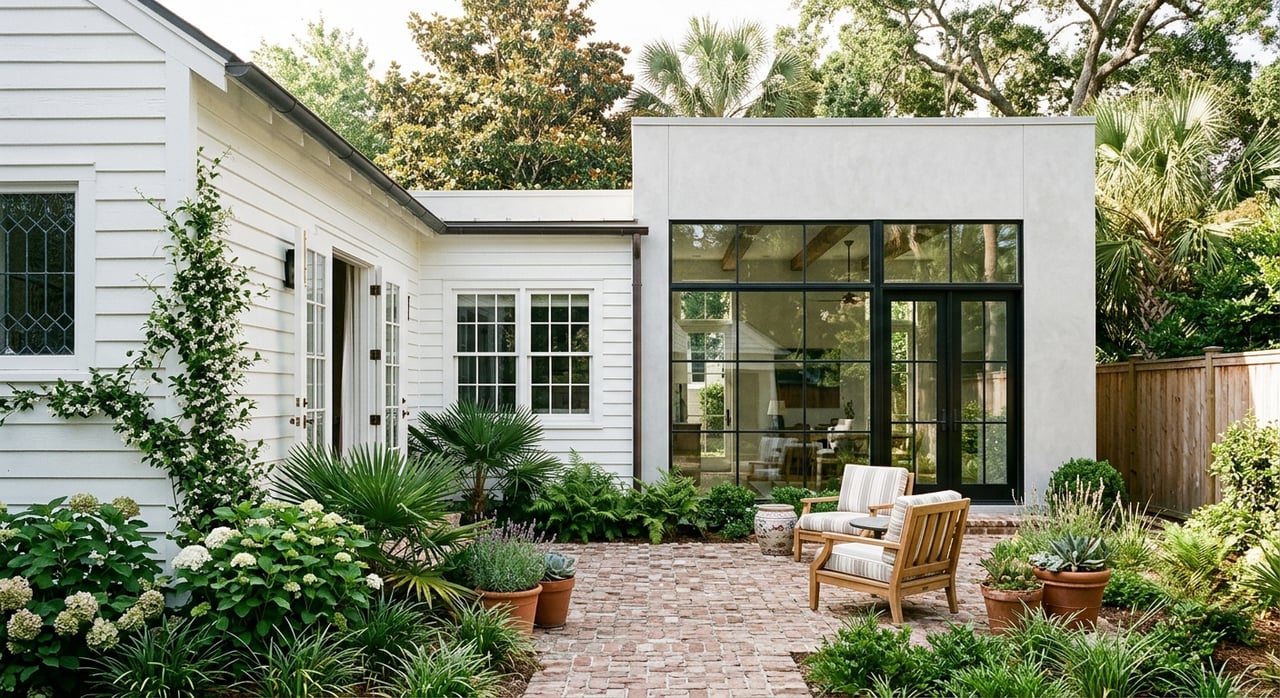
Trying to choose between a character-filled older home and a move-in-ready new build in Fairhope? You are not alone. For many buyers, this decision comes down to more than style. It is about maintenance, location, long-term comfort, and how you want to live day to day. If you are weighing historic charm against new construction in Fairhope, this guide will help you compare both paths with more confidence. Let’s dive in.
Fairhope has a distinct housing story, and that is part of why this decision matters here. The city began as the Fairhope Single Tax Colony in 1894, became a city in 1908, and developed around bay cottages, hotels, parks, and a waterfront core. That history still shows up in the way many older parts of town look and feel today.
Fairhope is also a place where ownership decisions tend to be long range. In 2024, the Census Bureau estimated 26,044 residents, an owner-occupied rate of 80.4%, and a median owner-occupied home value of $430,900. In practical terms, many buyers here are thinking about daily livability and future resale just as much as finishes and square footage.
In Fairhope, historic charm usually means more than age alone. Older homes are often tied to early 20th-century coastal design, with styles that include Bungalow/Craftsman, American Foursquare, Mission, Art Deco, and Italian Renaissance Revival. You may also notice full porches, stucco or frame exteriors, and homes that relate closely to the street and bay views.
That design history creates a very specific sense of place. Historic areas often feel more layered and less standardized. Instead of a neighborhood that was built all at once, you may see homes with different shapes, mature landscaping, and details that reflect Fairhope’s early growth.
The city keeps historic-structure maps for areas such as Bayfront, Downtown, Montrose, and White Avenue. National Register documentation notes that White Avenue lots were planned for bay views, while parts of the Bayfront used terraced lots, widened streets toward the water, and water oaks near lot lines. Those planning choices still influence how these areas feel today.
For many buyers, that means a stronger connection to downtown, the bay, and the original layout of Fairhope. If you want a home that feels rooted in the city’s identity, older areas often deliver that in a way newer neighborhoods cannot easily copy.
Historic homes often appeal to buyers who care about atmosphere as much as function. A front porch, established trees, and a more central setting can make daily life feel more connected and more personal. In Fairhope, that can be especially appealing if you want a setting that reflects the city’s long-standing waterfront character.
Older homes may also offer details that are hard to recreate. Rooflines, trim, windows, and lot placement can give a house a look that feels specific to place rather than built from a common template. If you value that kind of individuality, a historic or older home can be worth the extra consideration.
Charm often comes with more responsibility. In Fairhope, a Certificate of Appropriateness is required for material exterior changes to designated historic property or property in a designated historic district. The Historic Preservation Commission supports preservation, public education, and tax-credit guidance, and the city also points owners toward grants and tax credits.
That does not mean buying historic is difficult, but it does mean you should expect more process in some cases. If you are planning exterior updates, repairs, or renovations, you will want to understand whether the property is in a mapped historic district or another review-sensitive area before you move forward.
Older homes may need repairs or upgrades sooner than newer homes. Roof age, HVAC condition, drainage, and renovation history matter in any purchase, but they become especially important when a home has been standing for decades. You may also need to budget for selective improvements instead of one simple update plan.
If the home was built before 1978, lead-based paint is another factor to keep in mind. The EPA says homes built before 1978 are more likely to contain lead-based paint, so renovation work may require lead-safe considerations. That is not a reason to avoid an older home, but it is a reason to inspect and plan carefully.
Historic homes are not automatically inefficient. National Park Service guidance says weatherization and energy-efficiency improvements in historic buildings should be done carefully so the home’s historic character is preserved. For buyers, that often means selective retrofits can improve comfort and utility performance without changing what makes the home special.
New construction gives you a different kind of confidence. In many cases, the biggest advantage is a more predictable starting point for systems, finishes, and energy performance. If you want fewer immediate repair decisions, a newly built home may feel simpler and easier to manage.
This can be especially appealing if you are relocating, buying a second home, or planning a low-maintenance lifestyle. Instead of prioritizing restoration or renovation, you can focus more on layout, storage, and how the home supports your everyday routine.
The U.S. Department of Energy notes that state and local building codes set minimum insulation requirements, and energy-efficient new homes often exceed those minimums. It is also generally more cost-effective to add insulation during construction than retrofit it later. That gives many new homes an early advantage in comfort and energy planning.
In Fairhope, the Building Department issues permits, performs inspections, and enforces stormwater and erosion controls. The city also publishes floodplain guidance for Special Flood Hazard Areas, which is an important part of evaluating new construction as well as resale homes.
Some buyers assume a new home means a cookie-cutter look, but that is not always true in Fairhope. A city planned unit development request for The Reserve at Fairhope described a traditional Arts and Crafts or Craftsman expression, including sloped roofs, gables, double-hung windows, and a mix of clapboard and masonry veneer.
Fairhope’s planning materials also support human-scale, walkable development. They note that newer growth should respect traditional scale, rooflines, and street orientation rather than rely only on cul-de-sac patterns. So while some newer areas may feel more standardized, new construction in Fairhope can still reflect local design cues.
One of the best ways to compare old versus new in Fairhope is to think about pattern and layout. City planning materials describe older sections around Section and Fairhope Avenue, a long-established Montrose district at the north end, and newer growth expanding north and east from the oldest parts of town. That history affects how streets, lots, and public spaces feel today.
Historic areas often feel denser and more connected to downtown and the bay. Newer areas often feel cleaner, more uniform, and easier to maintain. Neither is automatically better. The right fit depends on whether you value a stronger sense of history or a more streamlined ownership experience.
Fairhope’s public spaces help shape neighborhood experience across the city. The horticulture and landscape department maintains downtown, parks, rights-of-way, and flower beds, and Fairhope is a Tree City USA community. That helps explain why even newer areas can feel polished, while older districts often carry a deeper sense of established place.
If you are deciding between historic charm and new construction in Fairhope, ask yourself a few practical questions:
These questions can quickly narrow your search. They also help you look beyond finishes and focus on how the home will function for you over time.
If you want porches, mature landscaping, a stronger sense of history, and a more central or walkable setting, an older or historic home may be the better fit. You just need to be comfortable with the possibility of repairs, preservation review, and carefully planned upgrades.
If you want a more predictable maintenance profile, better starting energy performance, and fewer retrofit decisions right away, new construction may make more sense. You may trade some of that layered historic feeling for simplicity and convenience.
In Fairhope, both paths can be smart. The real goal is matching the property to your priorities, your budget, and your tolerance for maintenance and process.
Fairhope’s 2024 comprehensive plan recommends pursuing Certified Local Government status, exploring local historic districts in Downtown Fairhope and surrounding historic neighborhoods, and preparing design guidelines for historic areas. That suggests preservation will remain an active part of the city’s planning future. If you are buying here, it is wise to evaluate not just the house itself, but also the rules, setting, and long-term ownership picture around it.
If you want help comparing older homes and new construction in Fairhope, Leigh McPherson can help you look at the details that matter most, from location and layout to maintenance, flood considerations, and long-term value.
Stay up to date on the latest real estate trends.

Gulf Shores

Orange Beach real estate terms that help you buy a Gulf Coast home with confidence.

How to decide between an Orange Beach condo and a single-family home based on how you plan to live and use your Gulf Coast property.
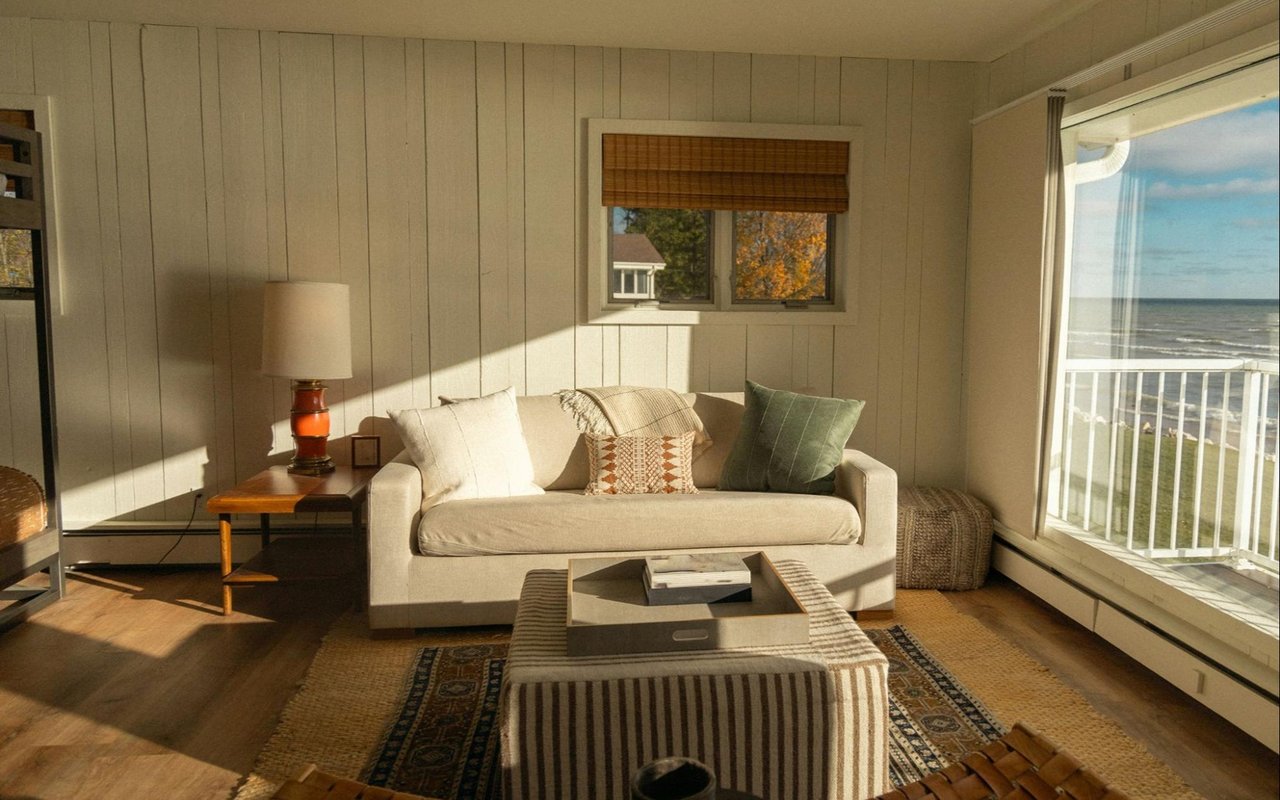
How to create an Orange Beach coastal home that stays beautiful, holds up to salt air, and keeps its value for years.
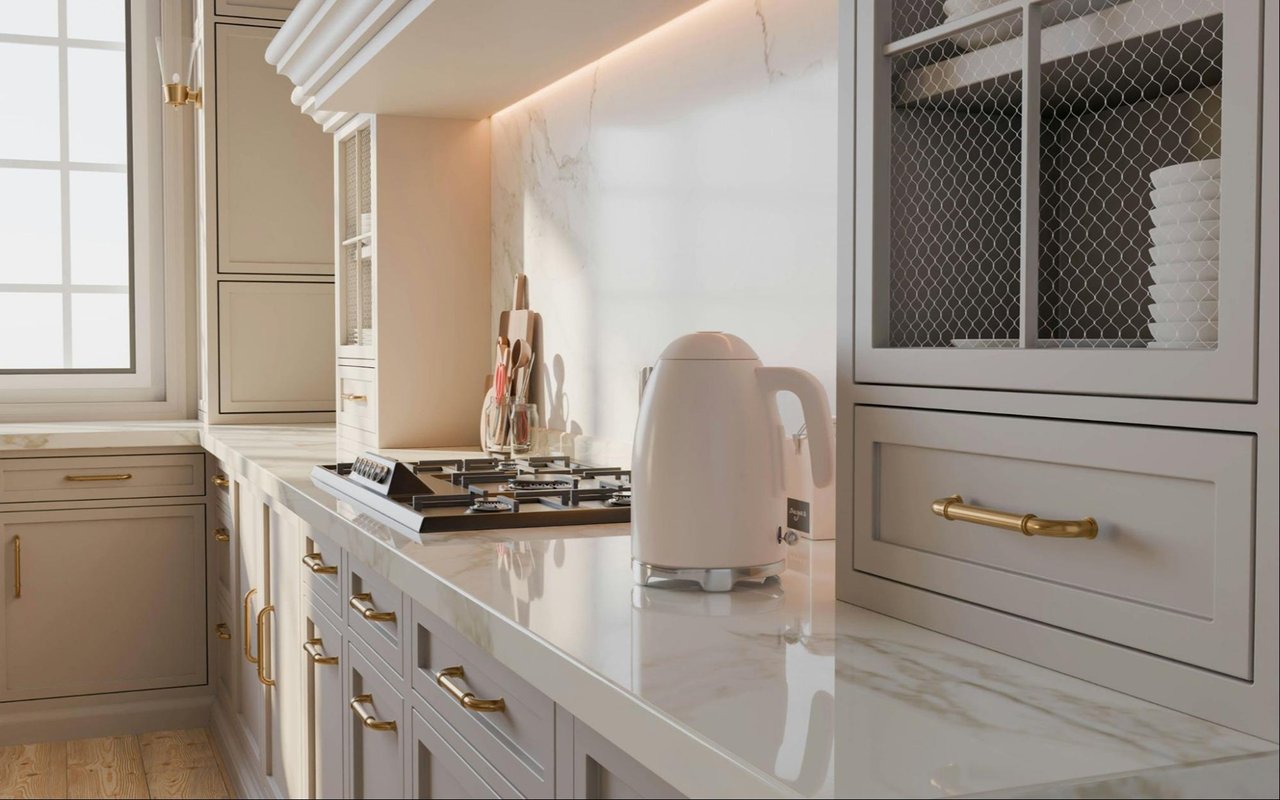
Orange Beach kitchen renovation ideas that balance salt-air durability, Gulf Coast style, and everyday function.
What Sold
It is an honor to not only help dozens of clients buy or sell their properties but also see so many of their stories play out and get to be a part of writing a chapter. We strive to always take care of our clients with thorough communication, strategic negotiation skills, local contacts for specialized professions, area knowledge, as well as a touch of style and grace.