By The Leigh McPherson Team
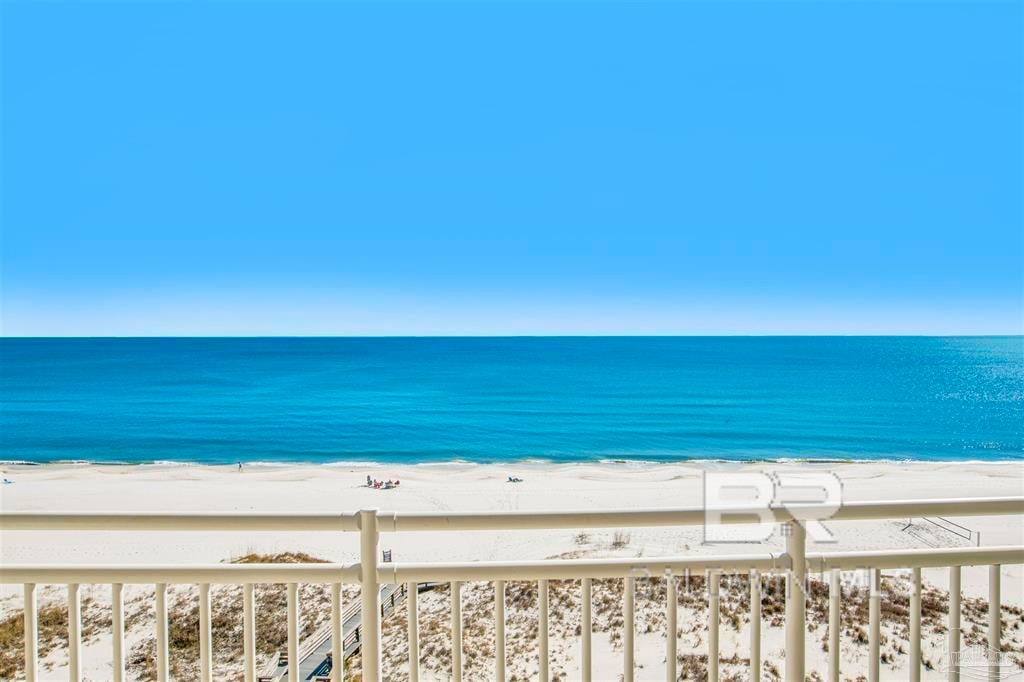
If you have ever stood on a waterfront deck in Orange Beach and thought about how perfect it would be to cook a fresh catch with the Gulf breeze at your back, you already understand the appeal of a coastal-inspired outdoor kitchen. This kind of outdoor space goes far beyond a simple grill setup. It becomes the heart of your home's exterior — a place where the laid-back rhythm of coastal living and the joy of gathering around good food come together seamlessly.
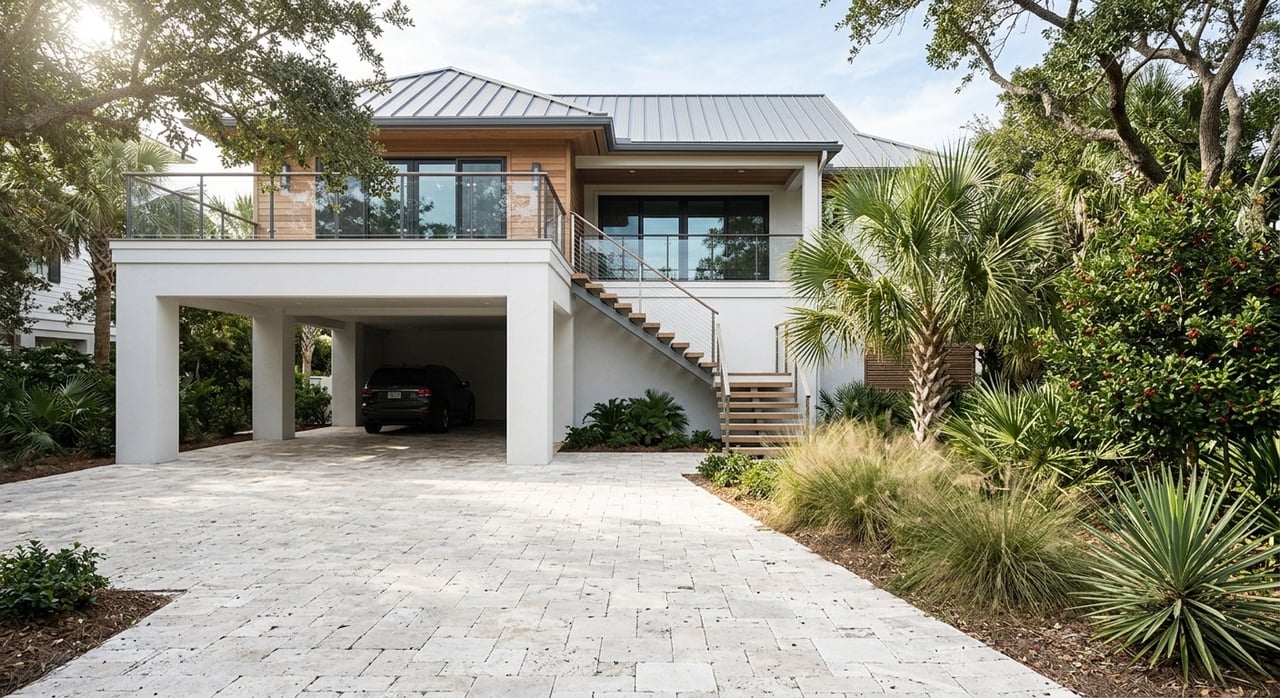
Orange Beach homeowners have a distinct advantage when it comes to outdoor entertaining. The climate along the Alabama Gulf Coast makes outdoor cooking a year-round possibility, and the natural surroundings provide all the inspiration you need to create a space that feels like it was built for this exact stretch of shoreline. Whether you are working with a sprawling lot or a compact waterfront property, there is a way to bring this vision to life.
This guide walks you through everything you need to know to build a coastal-inspired outdoor kitchen, from choosing materials that hold up to salt air to selecting a layout that suits your lifestyle and the Gulf Coast environment you call home.
Key Takeaways
- Choosing materials that resist salt air and humidity is the most critical decision in a coastal outdoor kitchen build.
- A functional layout should account for traffic flow, sun exposure, and proximity to your indoor kitchen.
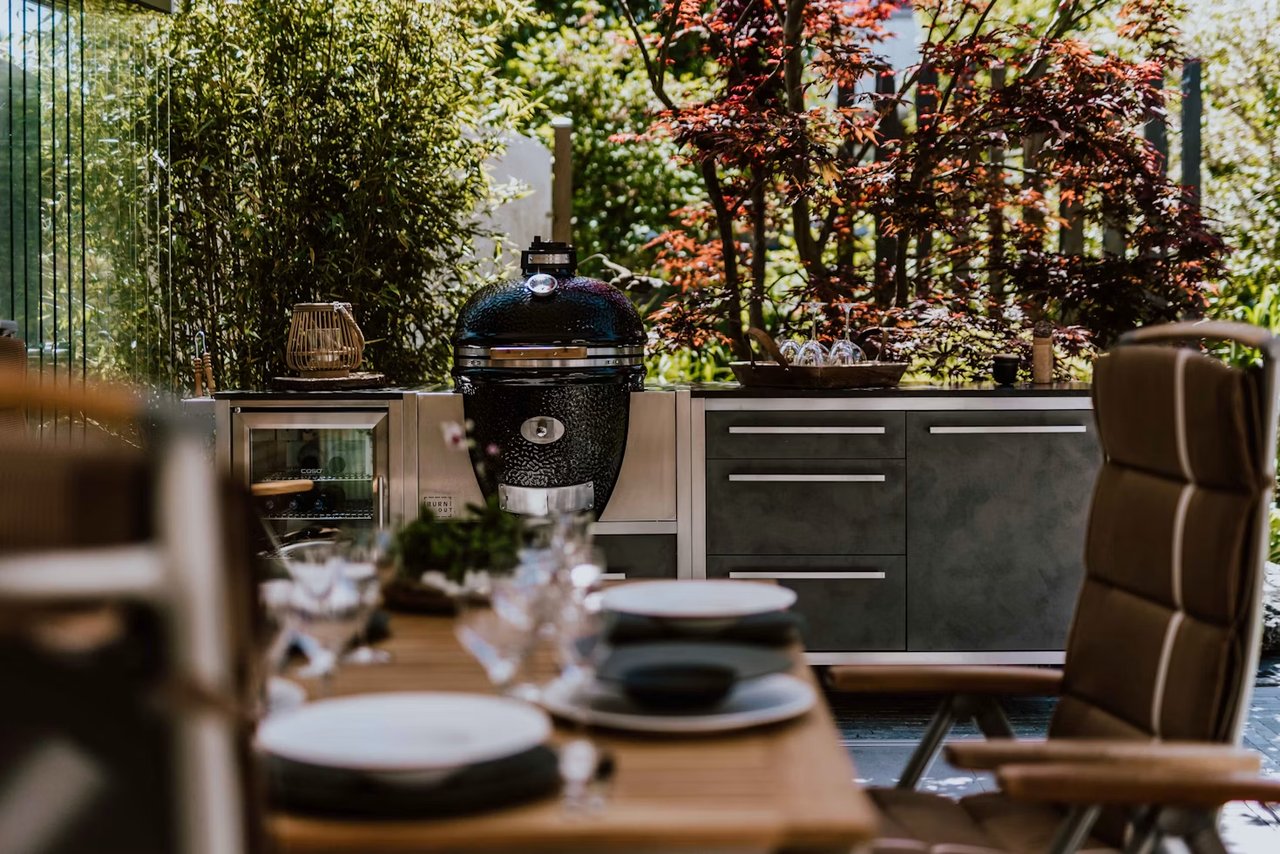
- Built-in grills, smokers, and refrigeration are the cornerstones of a fully equipped outdoor cooking station.
- Coastal design details, such as weathered wood, natural stone, and nautical hardware, make the space feel intentional and connected to its surroundings.
- Thoughtful shade and lighting extend the usability of your outdoor kitchen into the evening and through the warmer months.
Choosing Materials That Can Handle the Gulf Coast Climate
The coastal environment in Orange Beach is beautiful, but it demands materials that can stand up to what comes with it: humidity, salt air, direct sun, and occasional heavy rain. Standard materials that work fine in an inland setting can corrode, warp, or degrade far faster along the water. When building a coastal outdoor kitchen, your material choices are not just aesthetic decisions; they are functional ones.
Stainless steel is the most popular choice for appliances, frames, and hardware in a coastal kitchen, and for good reason. Marine-grade 316 stainless steel offers significantly stronger resistance to salt corrosion than the more common 304 grade. Look for this specification on any built-in grill, refrigeration unit, or drawer pulls you select. While it costs more upfront, the longevity you gain is well worth the investment.
For countertops, porcelain tile and soapstone are both excellent options. Porcelain is nearly impervious to staining, UV fading, and moisture, and it comes in finishes that mimic natural stone beautifully. Soapstone has a natural coastal aesthetic and holds up well against temperature changes. Granite remains a popular choice as well, provided it is properly sealed on a regular schedule to protect against moisture intrusion.
Best Materials for Coastal Outdoor Kitchens
- Marine-grade 316 stainless steel for all appliances, hardware, and structural framing.
- Porcelain or concrete board backers for cabinet bases, as wood composites break down quickly with repeated moisture exposure.
- Teak or ipe hardwood for any wood accents, since both are naturally resistant to rot and insects.
- Powder-coated aluminum for cabinet doors and frames, which resists rust without the weight or cost of steel.
- Natural stone or large-format porcelain tile for countertops and flooring surfaces.
Planning a Layout That Works for How You Live
A well-planned layout is what separates a stunning outdoor kitchen from one that actually works. Before you decide where the grill goes or how much counter space you need, think about how you intend to use the space on a daily basis. Are you primarily cooking for two, or do you regularly host larger gatherings? Do you want a bar area where guests can sit while you cook? How close is this space to your indoor kitchen, and how often will you be moving between the two?
In Orange Beach, sun exposure plays a major role in layout planning. A south- or west-facing outdoor kitchen can be intense in the afternoon hours, so orienting your primary cooking and prep areas to catch morning light while staying shaded in the afternoon makes the space more comfortable during the warmest parts of the day. If your lot is oriented toward the Gulf, consider how you want to balance the view with the functional demands of cooking.
Traffic flow matters significantly in a social kitchen. Leave at least 42 to 48 inches of clearance between cooking stations and seating or countertop areas where guests tend to congregate. Building in a designated landing zone next to the grill gives you somewhere to set platters without interrupting the flow of the space.
Layout Elements to Plan Before You Build
- The work triangle, the relationship between your grill, prep surface, and refrigeration unit, should be efficient but not cramped.
- A pass-through counter or bar overhang lets guests sit and visit without stepping into your cooking zone.
- Keep the sink positioned near a drain and within easy reach of the main prep area.
- Designate a storage zone for grilling tools, serving accessories, and outdoor dinnerware close to where they will be used.
- If you plan to add a pizza oven or smoker, position it slightly offset from the main kitchen to allow both to operate simultaneously.
Equipping Your Kitchen for Coastal Cooking
The Gulf Coast puts some of the best seafood in the world within easy reach, and your outdoor kitchen should be equipped to make the most of it. Built-in grills are the centerpiece of most outdoor kitchens, and the coastal context makes certain configurations particularly useful. A dual-fuel setup with both gas burners and a charcoal or wood option gives you maximum versatility for cooking fish, shrimp, crab, and everything in between.
Outdoor refrigeration is a practical necessity in a space that gets as much use as a Gulf Coast kitchen does. A full-size or undercounter outdoor refrigerator keeps drinks and fresh ingredients close at hand without requiring constant trips inside. Look for units rated specifically for outdoor use, as indoor refrigerators will not hold up to the temperature swings and humidity of an exterior environment.
A built-in sink with a freshwater connection rounds out the functional core of the kitchen. Beyond convenience, having water readily available while cooking outdoors makes cleanup easier and keeps the flow of your cooking session uninterrupted.
Must-Have Appliances for a Coastal Outdoor Kitchen
- A marine-grade built-in grill with a sideburner — ideal for finishing sauces or steaming shellfish.
- An outdoor-rated refrigerator or beverage center with a sealed interior and UV-resistant door.
- A dedicated ice maker or ice drawer, which is a practical upgrade for a home that entertains frequently near the water.
- An outdoor sink with hot and cold water, mounted with marine-grade hardware.
- A smoker or pellet cooker as a secondary cooking station for longer cooks.
Bringing in the Coastal Aesthetic
Functionality is the foundation, but design is what makes a coastal outdoor kitchen feel like it truly belongs in your Orange Beach home. The most successful coastal kitchens pull from the environment around them rather than imposing a style onto the space. Think of the palette of the Gulf: the soft whites and sandy tones of the shoreline, the blues and greens of the water, the natural textures of driftwood and sea grass.
Weathered or reclaimed wood accents bring warmth and a casual beach-house feel without requiring high-maintenance upkeep, provided you choose species like teak that are suited to outdoor use. Natural stone in warm whites, creams, or coastal blues used as a backsplash or countertop edge immediately grounds the space in its surroundings. Simple shiplap siding on cabinet bases painted in a soft white or driftwood gray reads as coastal without feeling like a theme.
Lighting ties everything together, particularly for evening use. String lights overhead create an inviting atmosphere; under-counter LED lighting in a warm or cool tone, depending on your palette, adds both functionality and ambiance. Lantern-style pendants over a bar counter bring in a nautical reference without overpowering the space.
Coastal Design Details Worth Incorporating
- Rope or jute accents on barstools or pendant lights for a low-key nautical reference.
- A driftwood-gray or whitewash finish on any wood cabinet elements or siding.
- Stone or tile in a sandy cream, soft blue, or warm gray to reflect the natural shoreline palette.
- Oversized ceramic or terracotta planters with native coastal grasses or succulents for organic texture.
- Copper or brushed bronze hardware as a warm counterpoint to stainless steel appliances.
FAQs
What Is the Best Countertop Material for an Outdoor Kitchen Near the Water?
Porcelain tile and soapstone are two of the strongest performers in coastal environments. Porcelain resists moisture, UV fading, and staining with minimal maintenance. Soapstone has a natural aesthetic that reads well in coastal settings and holds up against temperature changes. Granite is also widely used but requires consistent sealing to maintain its resistance to moisture over time.
How Do I Protect My Outdoor Kitchen from Salt Air in Orange Beach?
The most effective approach is choosing materials rated specifically for coastal exposure. Use marine-grade 316 stainless steel for all metal components, apply sealant to any natural stone surfaces at least once a year, and consider powder-coated aluminum for cabinetry rather than standard steel. Rinsing metal surfaces periodically with fresh water also helps remove salt buildup before it has a chance to cause corrosion.
Can I Use My Outdoor Kitchen Year-Round in Orange Beach?
Absolutely. The Gulf Coast climate makes outdoor cooking possible in every season. Mild winters and long warm seasons mean your outdoor kitchen will see consistent use throughout the year. Adding a pergola or sail shade overhead helps manage heat during summer afternoons, and a well-positioned outdoor heater can extend comfortable use on cooler winter evenings.
Your Gulf Coast Backyard Is Waiting
Building a coastal-inspired outdoor kitchen in Orange Beach is one of the most rewarding investments you can make in your property. It transforms your backyard into a living, breathing extension of the Gulf Coast lifestyle; a place where the food is fantastic, the views are incredible, and every evening ends with the sound of the water not far off.
When you are ready to find a Gulf Coast property with the outdoor space to make this vision a reality, the
Leigh McPherson Team is here to help. Reach out to us today, and let us connect you with Orange Beach homes that have the square footage, the lot, and the Gulf views to build the outdoor kitchen you have been planning.