Living in Orange Beach, Alabama, promises pleasant, warm seasons and gorgeous greenery, but when the humidity rises, you want your living space to feel just as comfortable and polished as it looks from the outside.
You may be trying to keep your interior feeling fresh, protect your finishes, or simply create an environment that feels effortless to enjoy, no matter how thick the air becomes outside. When you understand how Alabama’s moisture-rich months influence the rhythm of your home, you can fine-tune your approach and set yourself up for a smoother, more enjoyable season ahead.
This guide will give you the kind of step-by-step clarity you can put into action immediately as you elevate comfort, maximize airflow, and maintain a polished interior atmosphere. Whether you want to feel more prepared, keep your home looking its best, or plan ahead before the warmest months arrive, these strategies help you create a space that feels balanced, bright, and refreshingly welcoming.
Understanding Alabama’s Humid Climate
Alabama’s unique climate offers warm temperatures and generous moisture in the air. When these two elements combine, they influence how your home reacts, feels, and performs throughout the day. You may notice that certain rooms feel warmer or heavier in the late afternoon or that your interior holds onto moisture longer after a rainy stretch. These shifts are simply the result of the air’s natural behavior, and once you understand them, you’re equipped to manage them more effectively.
Humidity tends to build during late spring, peak through summer, and taper gradually into early fall. Even mild winters can bring their own pockets of moisture after warm afternoons or rainy weekends. This means that your approach benefits from consistency throughout the year. When you understand how humidity moves through your home, you can create smooth airflow patterns that keep rooms feeling comfortable and well-ventilated.
Improving Indoor Airflow
Airflow is one of the most powerful tools you have for managing humidity. When air moves consistently, your home feels lighter, fresher, and more balanced. Start by identifying areas that tend to feel warmer or heavier; these spots simply need a little more movement. Opening the windows on opposite sides of a room creates natural cross-ventilation, giving you a steady flow of fresh air while gently releasing built-up moisture indoors.
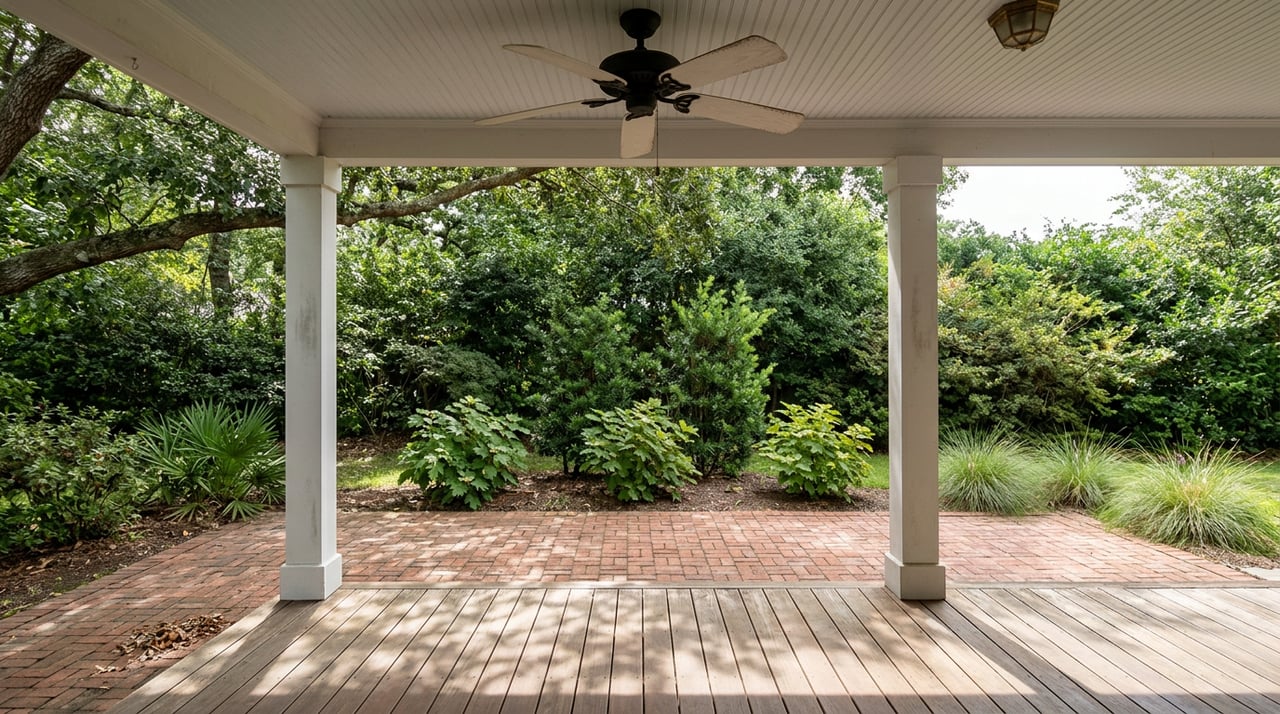
Ceiling fans also play a key role in your humidity mitigation strategy. When they rotate counterclockwise during warmer seasons, they push air downward, creating a cool, refreshing effect. If certain rooms don't have ceiling fans, an oscillating fan positioned near a doorway can guide airflow from room to room, encouraging a smooth movement that benefits your entire space.
Another important detail is making sure that vents remain clear. If furniture, décor, or storage pieces block airflow, the room may retain heat or moisture. Consistent airflow acts almost like a natural reset for your interior; when the air moves freely, your home feels instantly more open and inviting.
Fine-Tuning Your Cooling System
Your cooling system becomes your strongest partner when humidity climbs. By keeping it in top shape, you can ensure your entire home benefits from clean, steady airflow. Start by replacing the air filters regularly; fresh filters allow air to move effortlessly, improving overall comfort and helping your system work more efficiently.
A seasonal tune-up also gives you a significant advantage. When a technician examines your system, they can confirm that everything is running at peak performance. This tune-up allows you to rely on your cooling unit with confidence, knowing it’s optimized for Alabama’s warmest months.
Thermostat settings can also play a role, as most systems allow you to keep the air circulating even when the cooling isn’t actively running. This helps prevent warm pockets from forming and encourages a balanced feel throughout your space. When you combine well-timed airflow cycles with a tuned-up system, you create a reliably comfortable interior atmosphere day after day.
Choosing Moisture-Resistant Materials
The materials you choose inside your home play a major role in how well your space responds to humid weather. Certain surfaces are naturally better at handling moisture-rich air, which means they stay smooth, polished, and visually appealing through each season. Tile, select vinyls, sealed hardwoods, and composite materials are excellent options if you’re considering updates. These surfaces stand up beautifully to the warm months and continue looking sharp year after year.
Paint finishes also matter. Rooms like kitchens, bathrooms, and laundry areas benefit from finishes that can handle the higher humidity. Satin and semi-gloss options offer an easy-to-maintain surface that stays clean and fresh with minimal effort. These finishes allow you to enjoy rich color without worrying about how the moisture may affect your walls.
If you’re refreshing décor or furnishings, lightweight, breathable fabrics offer comfort and longevity. They adapt well to moisture in the air and help your interior feel crisp and inviting. When your materials are thoughtfully chosen, your home maintains its polished appearance and stays easy to care for through every season.
Managing Moisture in Kitchens and Bathrooms
Kitchens and bathrooms naturally experience more moisture, so giving them a bit of extra attention goes a long way. Running the ventilation fans consistently after cooking or showering helps the air clear quickly. Instead of stopping the fan right away, let it run long enough to allow the room to fully refresh.
Leaving the door slightly open can also help moisture disperse, allowing fresh air to replace heavier, warmer air. Small steps like wiping down the counters or clearing the steam from mirrors contribute to an interior that feels well-maintained and more comfortable.
If you're considering upgrades, modern ventilation fans offer enhanced performance with quiet operation and improved airflow. These features keep moisture moving in the right direction. When these rooms operate efficiently, the rest of your home benefits as well.
Protecting Woodwork and Furnishings
Wood responds naturally to moisture-rich air, so giving your wood finishes a bit of care helps them remain stunning through Alabama’s warm months. Applying quality protective finishes to your cabinetry, trim, and furniture keeps each piece smooth and vibrant. These finishes provide a protective layer that enhances durability and preserves the wood’s character.
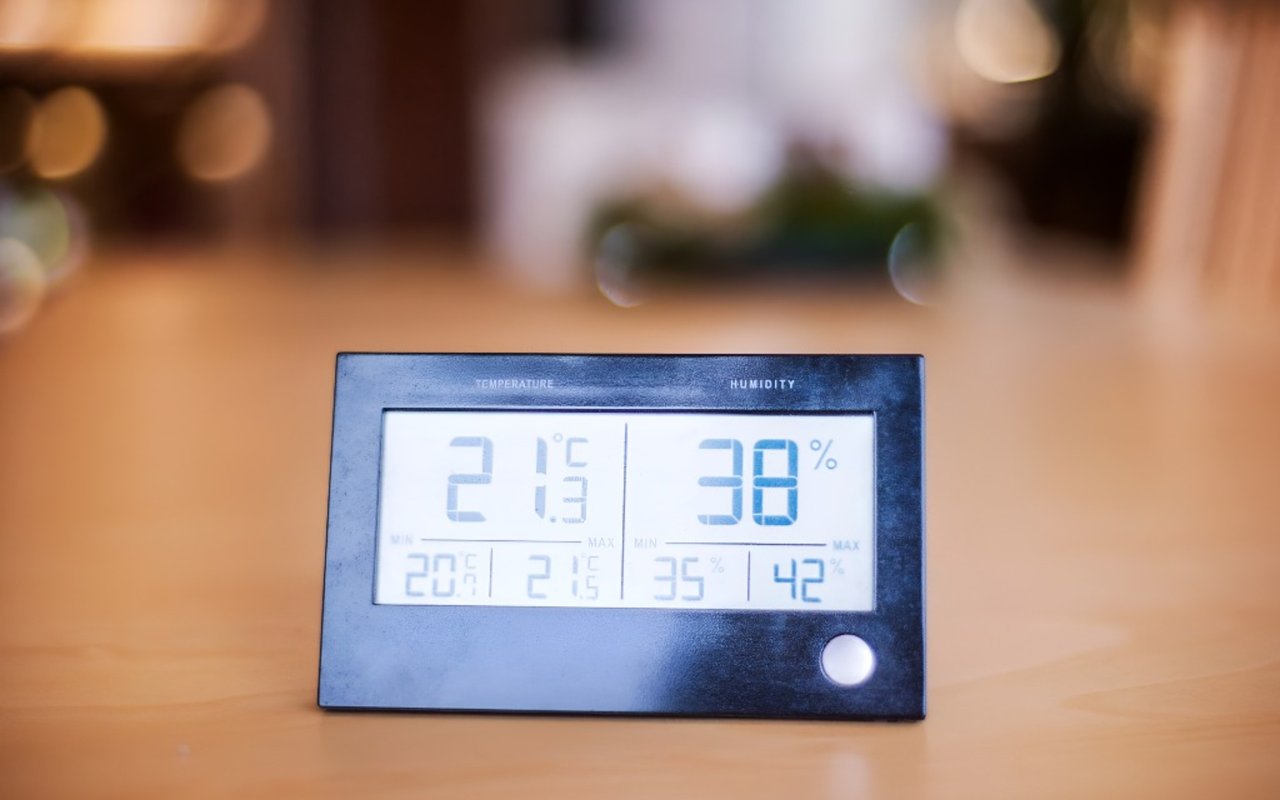
Placing small humidity gauges throughout your home can help you understand how the environment shifts from day to day. With this insight, you can adjust the airflow or enhance ventilation to support your woodwork. This attention to detail helps your wood pieces maintain their shape, color, and quality over time.
Arranging your furniture intentionally also contributes to longevity. When wood pieces stay clear of direct sunlight or extreme temperature changes, they retain their beauty and stay in excellent condition longer.
Caring for Fabrics and Soft Surfaces
Humidity influences textiles just as much as it affects solid surfaces. Choosing lightweight, breathable fabrics elevates comfort and supports freshness throughout your home. Cotton, linen, and other airy materials feel light during the warm months.
Regular cleaning helps textiles stay bright and comfortable, so be sure to wash the curtains, refresh the bedding, and vacuum the upholstery to keep these fabrics feeling new. In closets, allowing space between garments encourages air movement.
If you enjoy layering throw blankets or pillows, selecting warm-weather fabrics adds charm without weighing the space down. These thoughtful choices enhance comfort and visual appeal, giving your home an effortless elegance, even on the most humid days.
Enhancing Window and Door Performance
Your windows and doors shape how your interior handles humidity. When they fit well and seal properly, they help maintain consistent comfort throughout your home.
Upgrading to energy-efficient windows can dramatically improve your home’s performance during the warm months. These windows manage moisture and heat more effectively, allowing you to enjoy natural light without sacrificing comfort. Pairing them with light, breathable window treatments brings in the sunshine while maintaining balance.
Doors also play a valuable role in your home’s comfort. When they close smoothly and align properly, they contribute to a more consistent interior climate.
Maintaining Your Outdoor Areas
On the exterior, fresh paint, sealed surfaces, and clean walkways all help your exterior handle the moisture-rich weather with ease. When you maintain these elements correctly, your property looks vibrant and welcoming.
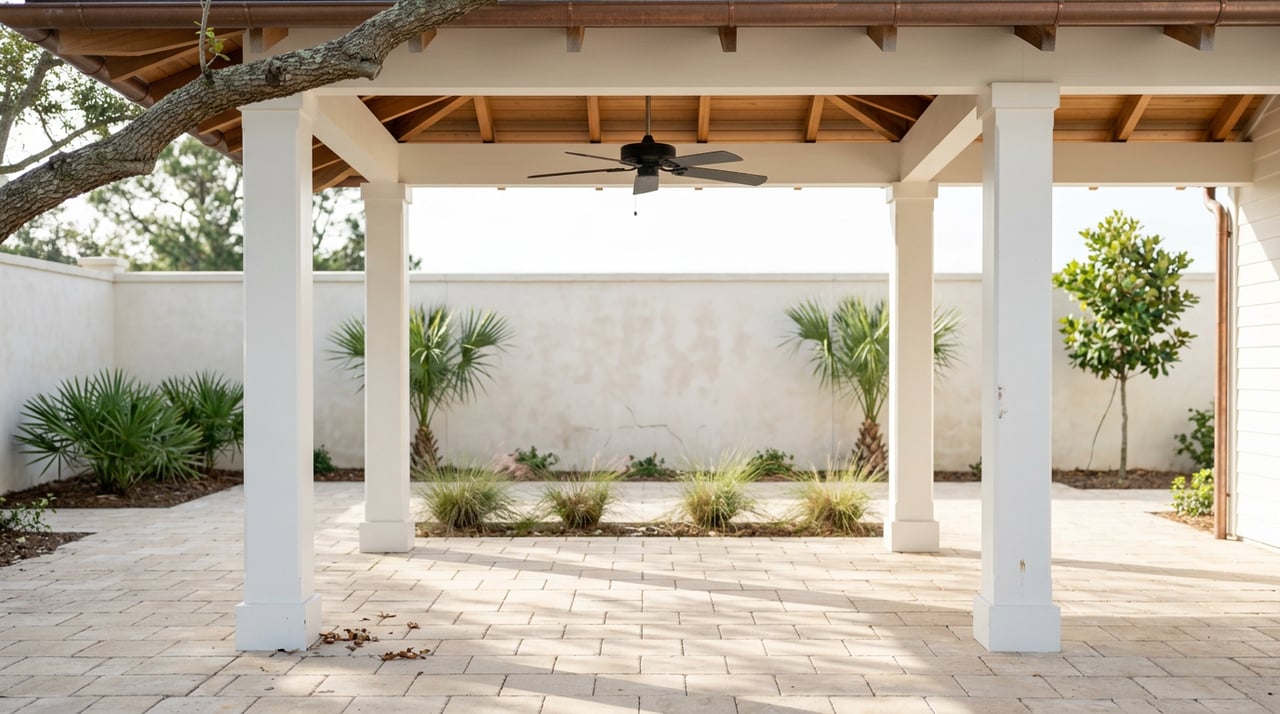
Decks and patios benefit from seasonal washing and sealing. These steps protect the materials, elevate the appearance, and create an inviting space for relaxing or entertaining. When your outdoor areas thrive, they enhance the way your home feels overall.
Trimming the shrubs and tending to landscaping encourages natural airflow around your home. These adjustments support appearance and comfort, creating a smooth connection between your interior and exterior.
Bringing It All Together
Preparing your home for humid weather in Alabama isn’t just about managing moisture; it’s about creating a space that feels effortlessly enjoyable through every season. Each step you take adds to a more comfortable, more polished, and more resilient home.
If you’re ready to begin your real estate journey, find the home you’ve been hoping for with the
Leigh McPherson Team leading the way.