By the Leigh McPherson Team
Gardening a few blocks from the water in Orange Beach comes with a set of rules all its own. The salt spray drifts in off the Gulf, the sandy soil drains quickly, and the sun can undo a landscape planted with the wrong greenery in a single season.
Whether you are landscaping near the dunes or refreshing the garden beds in your Orange Beach home, choosing salt-tolerant plants is the difference between a yard you replant every spring and one that fills in year after year. The right selections shrug off salt air, hold up in wind, and reward you with color from the first warm days of spring through the mild coastal winter.
Key Takeaways
- Salt-tolerant plants survive salt spray and sandy soil that would quickly damage less hardy landscaping.
- Amending sandy Gulf Coast soil with organic matter and mulch helps beds hold moisture and nutrients that would otherwise drain straight through.
- Native and Florida-friendly coastal species generally require less irrigation and maintenance once established.
What Are the Best Salt-Tolerant Plants for a Gulf Coast Yard?
The best salt-tolerant plants for a Gulf Coast yard include muhly grass, beach sunflower, lantana, yaupon holly, sabal palm, and saw palmetto, all of which handle salt spray, wind, and fast-draining sand with ease. These species have adapted to coastal conditions, which is why they anchor so many of the healthiest landscapes in Orange Beach and the surrounding shoreline.
Muhly grass is a standout for its clouds of pink plumes that light up beds in the fall, while beach sunflower spreads into a cheerful, low-growing groundcover that blooms nearly year-round. For structure and evergreen backbone, yaupon holly and wax myrtle form hedges that tolerate salt and pruning. Palms, including the native sabal palm and clumping saw palmetto, give a landscape that unmistakable coastal silhouette.
Coastal Favorites Worth Planting in Your Orange Beach Home
- Muhly grass produces feathery pink plumes in autumn and thrives in poor, sandy soil.
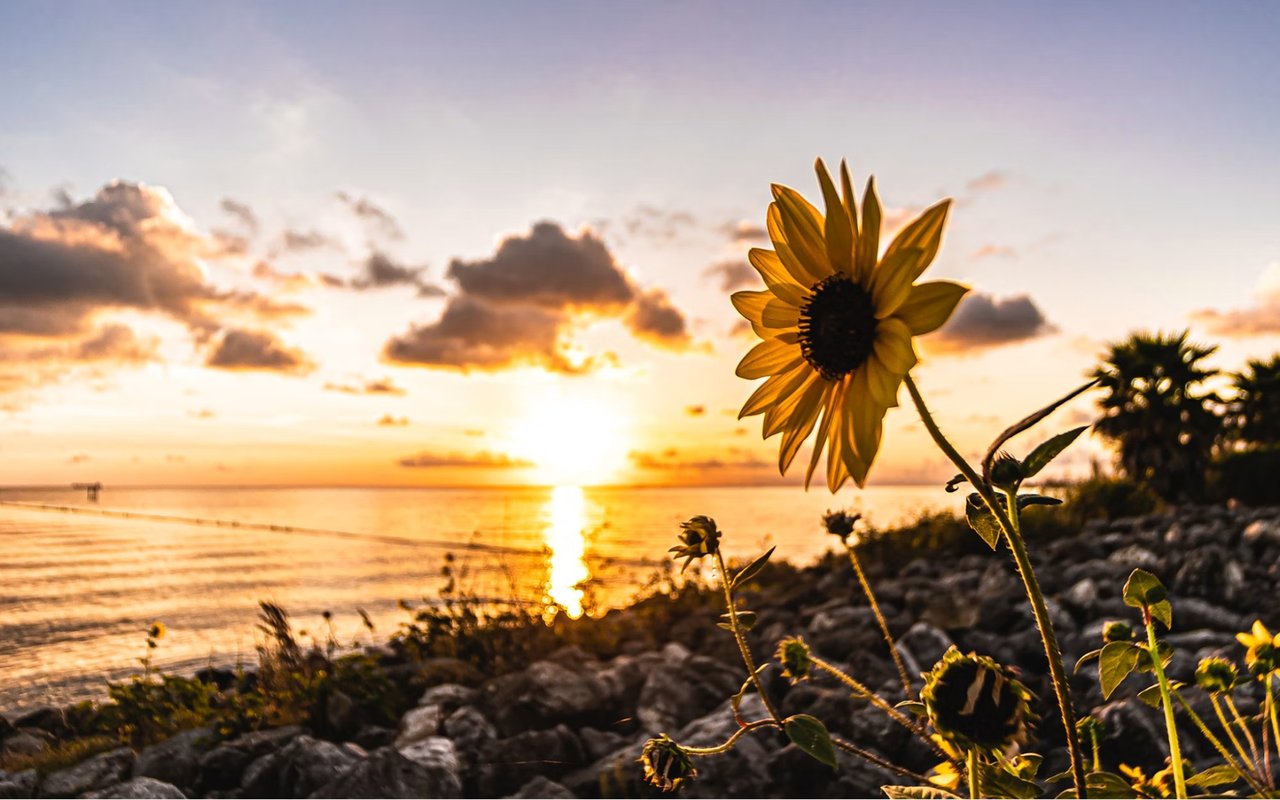
- Beach sunflower forms a fast-spreading, sunny groundcover in coastal climates.
- Yaupon holly grows into a dense evergreen hedge or small tree that tolerates salt and wind.
- Saw palmetto offers a hardy, low-maintenance native texture.
How Do You Prepare Sandy Coastal Soil for Planting?
Mix in generous amounts of organic matter, such as compost or aged manure, to improve the soil's ability to hold water and nutrients. Start by working two to four inches of compost into the top layer of each bed before planting. This creates a richer root zone that retains moisture longer between waterings and gives new roots something to grab onto.
A basic soil test reveals the pH and nutrient levels, which helps you choose the right plants and amendments from the start rather than guessing. Many Gulf Coast soils lean slightly alkaline, and knowing that upfront lets you match plants to conditions so that everything you put in the ground has the best possible chance to flourish.
Improve Coastal Soil
- Mix two to four inches of compost or aged organic matter into beds before planting to boost water and nutrient retention.
- Apply a two- to three-inch layer of mulch, such as pine straw or shredded bark, to conserve moisture and cool the root zone.
- Test the soil pH so that you can select plants and amendments suited to your specific yard.
Where Should You Place Plants Based on Salt Exposure?
You should place your most salt-tolerant plants on the frontline nearest the water and position slightly less hardy species in protected areas behind windbreaks or structures. Salt exposure decreases the farther you move from the shore, so matching each plant to its zone is one of the smartest ways to keep a coastal landscape healthy.
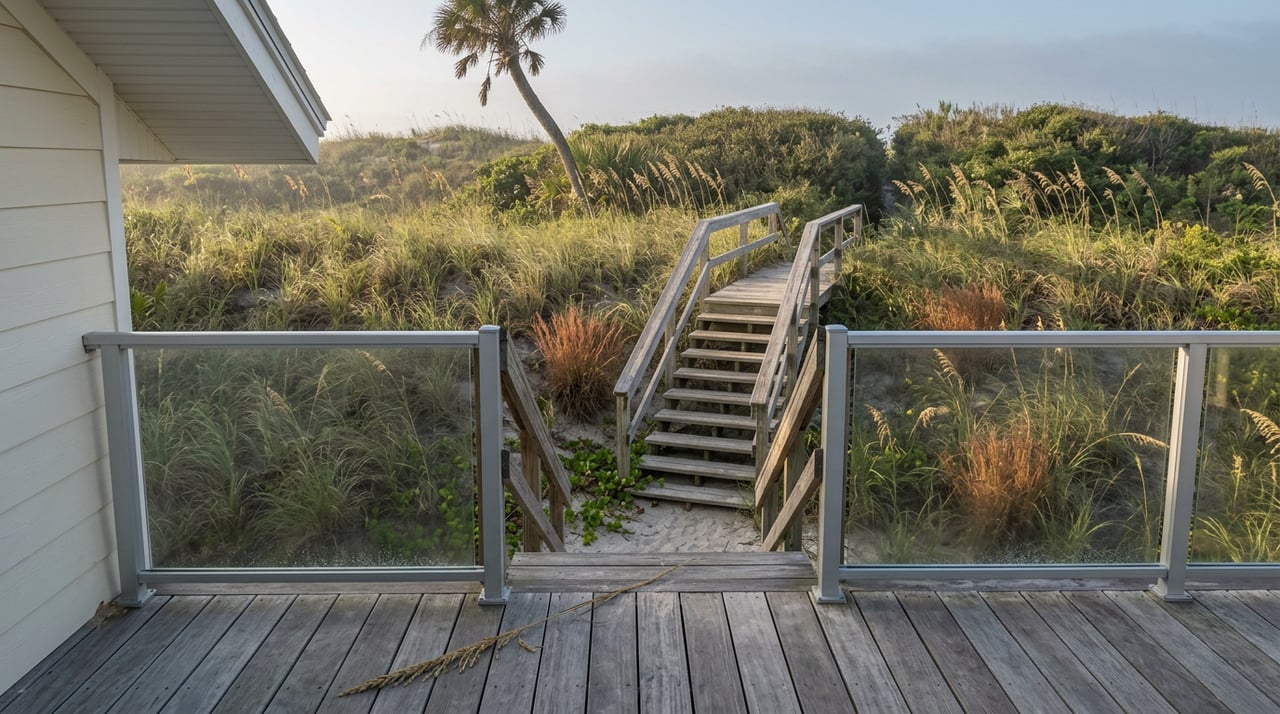
Directly facing the Gulf, only the toughest performers, including sea oats, beach sunflower, and railroad vine, can handle constant salt spray and shifting sand. These plants also happen to be stabilizers that hold sand in place and reduce erosion. A few yards back, in the shelter of a fence, wall, or hedge, you gain room for a wider palette that includes flowering shrubs and ornamental grasses that would struggle right at the water's edge.
Creating windbreaks with salt-hardy hedges, such as wax myrtle or yaupon holly, expands your options even further. Once you establish that living buffer, the area behind it becomes a more forgiving microclimate where bougainvillea, confederate jasmine, and other showy bloomers can flourish. Thinking in zones this way lets you enjoy both the rugged beauty of true coastal plants and the lush color of slightly more sheltered gardens.
How to Map Your Yard
- Reserve the frontline nearest the water for the hardiest plants, such as sea oats and railroad vine, that stabilize sand and resist spray.
- Use salt-tolerant hedges as windbreaks to create sheltered pockets for a broader range of plantings.
- Place flowering shrubs and vines behind structures or buffers where salt exposure is reduced.
- Observe how salt and wind move across your property through the seasons, then adjust placement accordingly.
FAQs
Are Native Plants Better for Coastal Gardening in Orange Beach?
Native and Florida-friendly plants are often the better choice for coastal gardening because they have naturally adapted to salt, sand, heat, and the local rhythm of rain. Species like sabal palm, muhly grass, and saw palmetto generally need less water, fewer inputs, and minimal fuss once they settle in. That makes them a practical and beautiful foundation for a landscape you want to enjoy rather than constantly maintain.
What Plants Should You Avoid Near the Gulf?
You should avoid tender ornamentals that lack salt tolerance, such as azaleas, gardenias, and many broadleaf tropicals, when planting in areas exposed to direct salt spray. These plants often develop leaf burn and decline quickly on the frontline. If you love them, tuck them into well-protected courtyards or sheltered beds behind windbreaks where salt exposure is minimal.
When Is the Best Time to Plant on the Gulf Coast?
The best time to plant on the Gulf Coast is during the cooler months of fall and early spring, when mild temperatures give roots a chance to establish before summer heat arrives. Planting in these windows reduces transplant stress and cuts down on the amount of watering new additions require. With the region's mild winters, fall planting in particular gives many species a head start.
Put Down Roots on the Gulf Coast with Salt-Tolerant Gardening Tips
A thriving coastal landscape starts with the right plants, thoughtful soil preparation, and smart placement that works with the salt air. With proper planning, your yard can become one of the most inviting features of coastal living in Orange Beach.
If you are dreaming of a home along the Alabama shoreline where you can plant that garden and settle in for the long haul, we would love to help you find it. The
Leigh McPherson Team knows Orange Beach real estate, and we are here to guide you through every step of buying or selling on the coast.