Pricing Your Gulf Shores Home in a Vacation Market
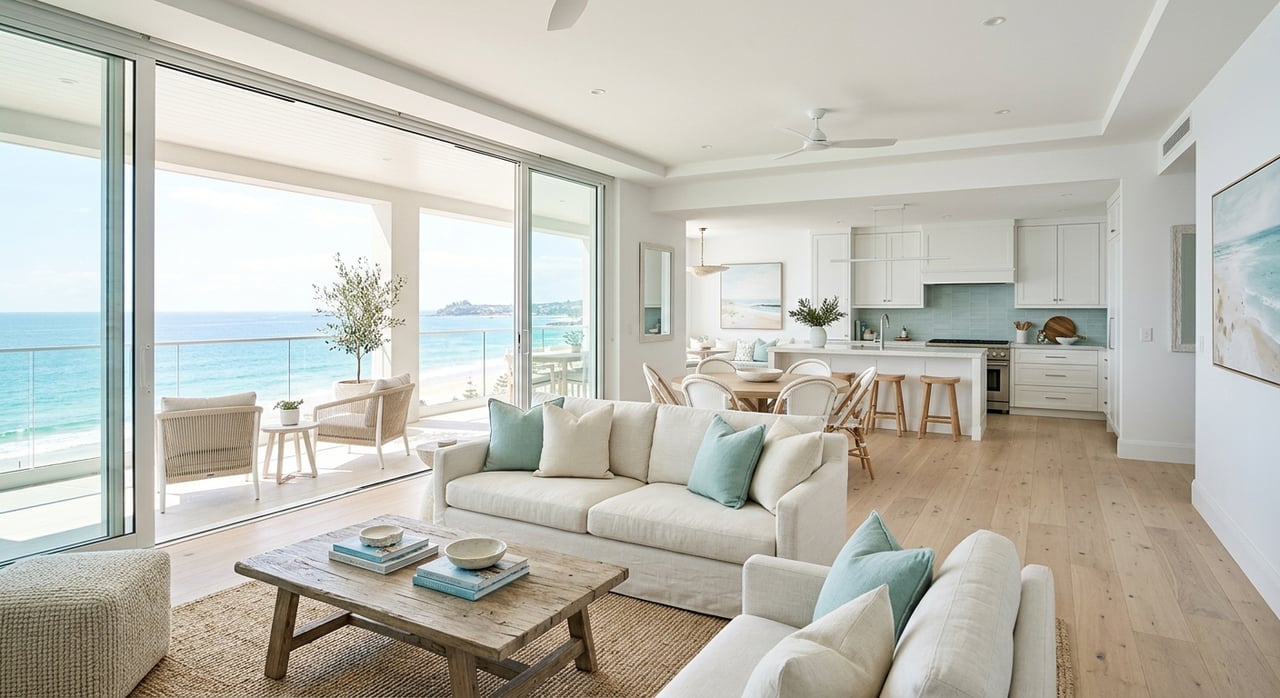
If your Gulf Shores home would appeal to both beach lovers and buyers thinking about rental income, pricing it can feel harder than in a typical neighborhood market. You are not just comparing square footage and finishes. You are also weighing seasonality, rental rules, insurance realities, and what today’s buyers will actually pay in a market with more choices. The good news is that a smart pricing strategy can help you stand out, protect your leverage, and attract serious interest. Let’s dive in.
Gulf Shores is not in the frenzy market many sellers remember from earlier in the decade. Recent market trackers show median prices in the mid-$400,000s, with some variation by methodology, and homes taking about 73 to 75 days to sell. Realtor.com reported a median listing price of $531,000 and a median sold price of $419,000 in April 2026, while Redfin reported a median sale price of $458,000 in March 2026.
The bigger message is consistent across those reports. Gulf Shores is acting like a buyer-friendlier market, with about 1,160 active listings, lower competition, and many homes closing below asking price. Redfin noted that homes often sell about 4% below list price, which means overpricing can cost you time and momentum.
That local trend also fits the broader Alabama backdrop. Alabama REALTORS described 2025 as a stabilization year and reported active listings up 7.4% year over year in February 2026. In simple terms, buyers have more options, so your price needs to reflect today’s market rather than yesterday’s headlines.
In Gulf Shores, value is shaped by more than beds, baths, and recent sales. Tourism, vacation-rental demand, local regulations, and coastal ownership costs can all change how buyers see your property. Two homes that look similar online may attract very different offers if one can legally operate as a short-term rental and the other cannot.
That is why pricing a Gulf Shores home often requires a more layered approach than pricing an inland property. You need to understand your likely buyer first, then build a pricing strategy around how that buyer compares options.
If your property is most likely to appeal to a full-time resident or local move-up buyer, your pricing should lean heavily on nearby owner-occupant sales. Size, condition, lot, updates, and location still matter most. In this case, rental potential may be less important than layout, storage, parking, and everyday livability.
For these homes, overpricing is especially risky if the property does not offer a standout Gulf view, direct water access, or another hard-to-find feature. In a market where homes are sitting for more than two months on average, buyers can quickly move on to the next option.
Second-home shoppers often balance lifestyle with long-term resale. They may care about proximity to the beach, water views, ease of maintenance, and how the property fits future retirement or seasonal use. Pricing for this buyer should reflect those features clearly, but still stay grounded in recent solds.
A second-home buyer may pay a premium for convenience and setting, but only within reason. If your asking price stretches too far beyond comparable sales, buyers may wait, negotiate harder, or choose a property with a similar lifestyle benefit at a better value.
If your property is likely to attract an income-focused buyer, legal rentability and revenue potential become central to price. In Gulf Shores, short-term rentals are regulated use properties, not just casual owner choices. The city requires a rental or business license, a local emergency contact, safety inspections every three years, and lodging tax collection and remittance.
The city also says lodging tax is 16% inside corporate limits and 11% in the police jurisdiction for short-term rentals. On top of that, zoning rules allow licensed vacation-rental dwelling units only in certain districts and overlays. That means your property’s legal use status can directly shape buyer demand and price ceiling.
A common pricing mistake in Gulf Shores is assuming all coastal properties compete in the same lane. They do not. If your condo or home can legally operate as a short-term rental, it may attract a larger buyer pool than a similar property that cannot.
That does not mean every rentable property should be priced aggressively. It means the value conversation is different. Buyers looking at income potential will want to know whether the property is in an area that permits vacation rentals and whether its ownership setup supports that use.
For condos and second homes, pricing should also account for factors like:
These details matter because they affect both marketability and revenue expectations. In Gulf Shores, those are not minor extras. They are often part of the core value story.
For investment-minded buyers, headline occupancy is only part of the picture. Gulf Shores and Orange Beach tourism data showed lodging rentals reached a record $923 million in 2025, up from $871 million in 2024. That growth is meaningful, but the same tourism materials also noted that vacation-rental supply increased again.
More demand is good news, but more supply means buyers will look carefully at actual performance. Local tourism summit materials say revenue should be judged through RevPAR, not occupancy alone. They also note that booking windows are getting longer, stay lengths are shortening, and reservations booked further in advance tend to capture higher average daily rates.
That is important when you price a rental-friendly property. A unit with strong revenue history may justify a stronger price than one with similar occupancy but weaker overall returns. Buyers who understand the Gulf Shores vacation market will notice that difference.
Many sellers assume they should wait for summer to list. Summer is still the strongest tourism season on Alabama’s Beaches, but it is no longer the whole story. Gulf Shores & Orange Beach Tourism says the destination has become more of a year-round market, with spring and fall visitation holding steady and off-season travel increasing.
That can work in your favor. A well-priced property can still attract serious buyers outside peak summer, especially if it is a clean primary residence, a low-maintenance second home, or a condo with documented rental performance. Timing helps, but price and presentation still do the heavy lifting.
In Gulf Shores, buyers are often looking beyond the purchase price. The city’s Building Department points owners to flood-zone determinations, FEMA flood maps, and rental safety inspections, and it works with NFIP and ADEM on flood regulation compliance. That tells you something important about buyer mindset in this market.
Insurance costs, flood exposure, and resilience upgrades are part of the value equation. If your property has features that support easier ownership, better durability, or stronger readiness for coastal conditions, those may help your pricing position. But buyers still tend to compare those benefits against the total monthly cost of ownership.
The strongest pricing strategy in Gulf Shores usually starts with recent sold properties, not hopeful asking prices. Then it tests those solds against current absorption, active competition, and the type of buyer most likely to purchase your home. This is especially important in a market where homes are taking 73 to 75 days to sell and often closing below list price.
A practical approach looks like this:
The first two weeks matter. If buyers see your property as overpriced, you may lose the best window for strong activity. Price reductions later can help, but they do not always restore the same level of urgency.
Even strong homes can miss the market if the list price starts too far above the data. In Gulf Shores, that can happen when sellers focus on peak-season emotion or a neighbor’s asking price instead of closed sales and current competition.
Watch for these warning signs:
When that happens, the issue is often not the home itself. It is the pricing strategy.
Before you set your asking price, gather the facts that matter most in a vacation-driven market. The more clearly you can document your property’s strengths, the easier it is to support pricing with confidence.
Helpful prep steps include:
This kind of preparation helps you avoid broad assumptions. It also makes your pricing strategy more credible to buyers who know this market well.
A vacation market can make pricing look simple from the outside and much more nuanced once you get into the details. In Gulf Shores, list price should reflect not just market stats, but also zoning, rental rules, seasonality, property type, and buyer expectations around revenue and ownership costs.
That is where local experience becomes valuable. When your pricing strategy is built around how Gulf Shores buyers actually shop and compare, you are more likely to attract the right attention early and negotiate from a stronger position.
If you are thinking about selling, the right plan starts with a clear look at your buyer, your competition, and the facts behind your property’s value. For tailored guidance on pricing a primary home, second home, or rental-friendly condo on the Alabama coast, connect with Leigh McPherson.
Stay up to date on the latest real estate trends.
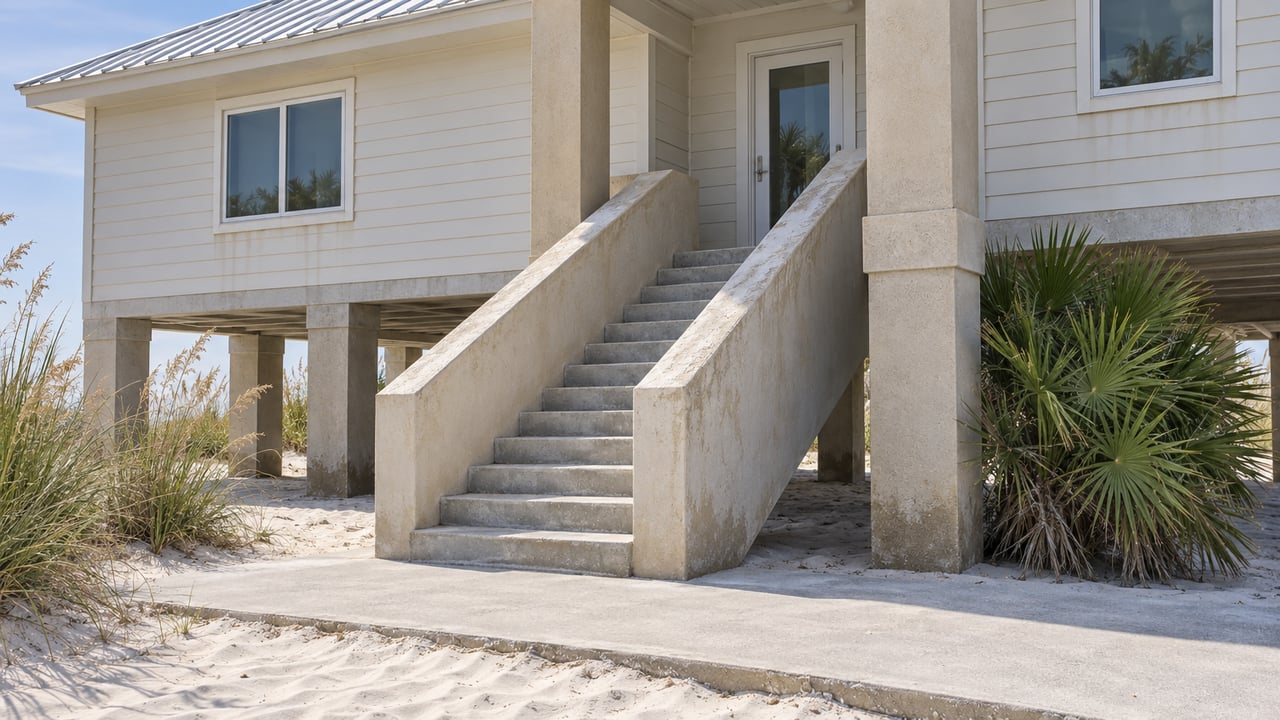

Gulf Shores

Orange Beach real estate terms that help you buy a Gulf Coast home with confidence.

How to decide between an Orange Beach condo and a single-family home based on how you plan to live and use your Gulf Coast property.
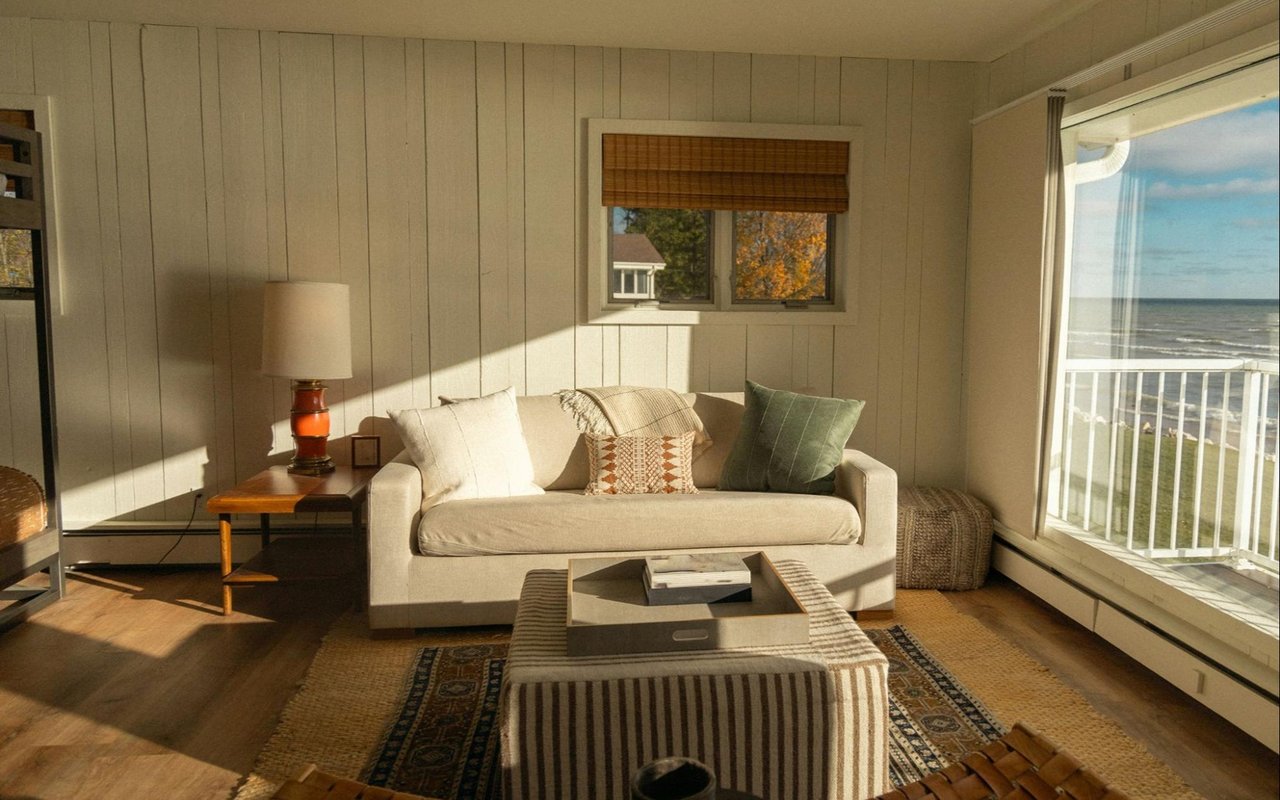
How to create an Orange Beach coastal home that stays beautiful, holds up to salt air, and keeps its value for years.
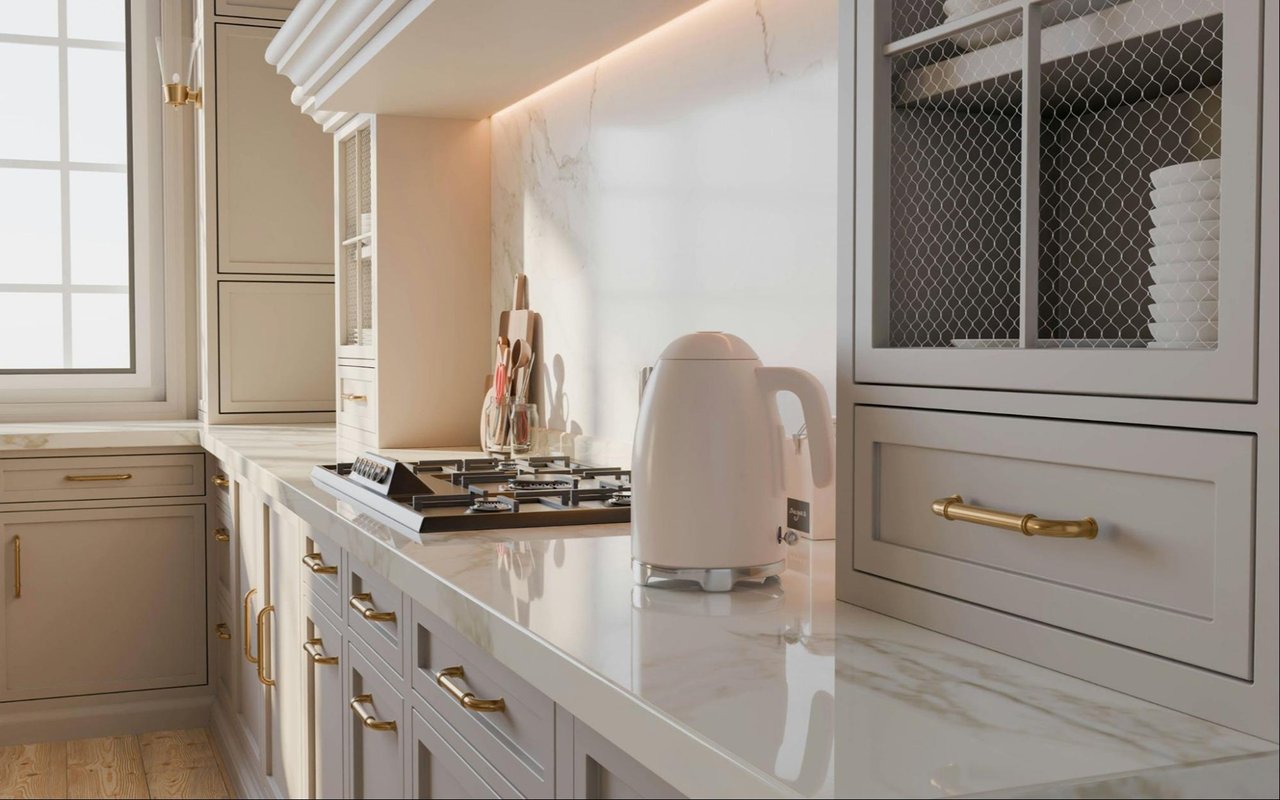
Orange Beach kitchen renovation ideas that balance salt-air durability, Gulf Coast style, and everyday function.
What Sold
It is an honor to not only help dozens of clients buy or sell their properties but also see so many of their stories play out and get to be a part of writing a chapter. We strive to always take care of our clients with thorough communication, strategic negotiation skills, local contacts for specialized professions, area knowledge, as well as a touch of style and grace.