By the Leigh McPherson Team
Most rooms in a home serve a single purpose. A home library is different. Done right, it becomes the room you reach for at the end of a long day, the one guests linger in, and the one that makes a house feel like it was built around how you actually live.
Building a library is less complicated than most homeowners expect. You do not need a sprawling estate or a dedicated room to pull it off. What you do need is a plan that accounts for the right shelving, lighting, seating, and organization before you start buying anything. Skip that step, and you end up with a wall of books that looks like storage rather than a space that feels intentional.
For homeowners along the Alabama Gulf Coast, the appeal is especially fitting. Orange Beach is a place where life moves at a more intentional pace, where the views invite you to slow down, and where homes tend to reflect who their owners really are. A thoughtfully designed home library fits right into that ethos. It is a space that says you live here fully, not just in passing.
Whether you are starting from scratch in a new home or finally committing to a corner that has been waiting for a purpose, these tips will walk you through each decision so that your home library becomes a space you truly love using.
Key Takeaways
-
Choosing the right room or wall is the most important first decision in any home library project.
-
Built-in shelving adds more visual impact and home value than freestanding units.
-
Lighting design makes the difference between a library that feels warm and one that feels harsh.
-
Organizational systems help your library stay functional long after the shelves are full.
-
Seating and comfort details are what turn a bookshelf into a fully functional reading room.
Start With the Right Space
Before you buy a single shelf or pick a paint color, spend time thinking about where your library will live. The space you choose sets everything else in motion, from the shelving configuration to the lighting plan. Many homeowners assume they need a dedicated room, but that is not always the case. A wide hallway, a large landing, an underused formal dining room, or even a single dramatic wall in a living room can all become the foundation of a beautiful home library.
If you do have a full room to work with, think carefully about how it connects to the rest of your home. A library tucked off a main hallway tends to feel like a retreat, which many readers prefer. A library that opens directly into a great room has a more social, integrated feel. Neither is wrong; it just depends on how you plan to use the space.
For those working with more modest square footage, a well-designed reading nook with floor-to-ceiling shelves can feel just as intentional and immersive as a full room. The key is treating the space as a destination rather than an afterthought.
Questions To Ask Before Committing to a Space
-
Does the room or wall get enough natural light for comfortable reading, without causing glare on screens or books?
-
Is there room for seating, or will this be a purely functional shelving space?
-
How is the room connected to foot traffic? High-traffic areas tend to make quiet reading harder.
-
Are there existing architectural features, such as built-in niches or bay windows, that could anchor the design?
Design Your Shelving With Intention
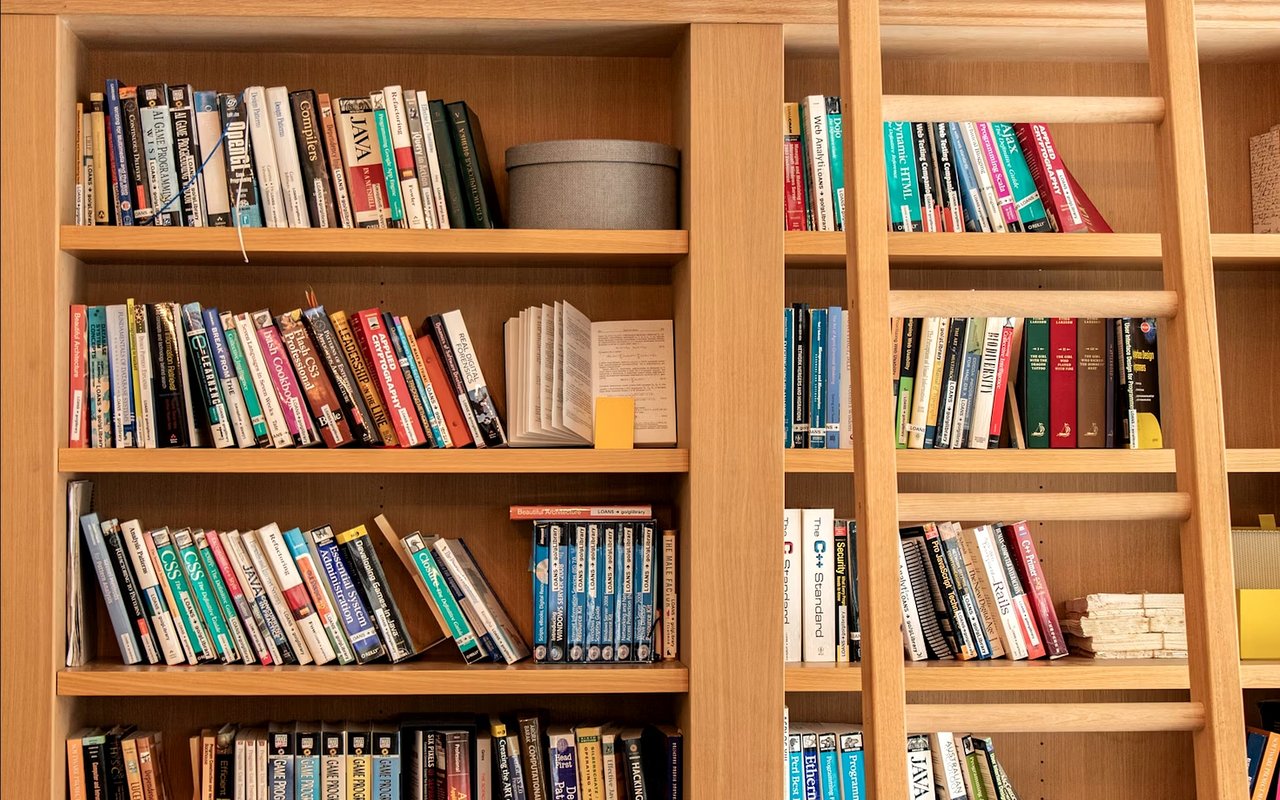
The shelving you choose will define the entire look and feel of your home library. Freestanding bookcases are the most accessible option and come in a wide range of styles, but built-in shelving is what elevates a home library from casual to considered. Built-ins follow the exact dimensions of your wall, eliminate gaps and awkward overhangs, and signal to visitors that this space was designed on purpose.
If built-ins are in your budget, floor-to-ceiling configurations offer the most drama and the most storage. A library ladder adds both function and a sense of grandeur that is hard to replicate with any other design choice. For a more relaxed look, shelves that stop at a certain height with window seats, cabinets, or a long reading bench below them create a layered effect that feels both practical and visually grounded.
Materials matter as well. Painted MDF gives a clean, contemporary look and tends to photograph beautifully. Stained hardwood reads as more traditional and warm. Many homeowners mix the two, using wood shelves against a painted surround, which adds depth without veering into one aesthetic extreme.
Shelving Configurations Worth Considering
-
Floor-to-ceiling built-ins with a rolling ladder for rooms with high ceilings and large collections.
-
Flanking a fireplace with symmetrical built-in shelves and cabinets below for a classic, grounded arrangement.
-
Open floating shelves in a grid pattern for smaller spaces or a more contemporary feel.
-
A combination of open shelving above and closed cabinetry below to keep the space visually tidy while expanding storage capacity.
Get the Lighting Right
Lighting is where home library design most often goes wrong. Many homeowners rely entirely on overhead lighting, which tends to cast shadows on shelves and creates a flat, uninviting atmosphere. A great home library uses layered lighting: ambient light for the overall room, task lighting for reading, and accent lighting to showcase the shelves themselves.
For ambient light, a central fixture with dimming capability gives you control over the mood of the room at different times of day. For task lighting, a dedicated reading lamp positioned at the right angle for your seating area makes long reading sessions far more comfortable. Wall-mounted swing-arm sconces are particularly useful in reading nooks because they keep surfaces clear while directing light exactly where it is needed.
Accent lighting on the shelves themselves can be subtle or striking, depending on the look you want. LED strip lighting tucked along the underside of each shelf creates a warm, gallery-like glow that makes books look curated rather than stored. Adjustable picture lights mounted above open shelving sections can achieve a similar effect.
Lighting Layers for a Home Library
-
Ambient: A central fixture with a dimmer, ideally on a separate circuit from task and accent lighting.
-
Task: A floor lamp or wall-mounted sconce positioned directly adjacent to your primary reading chair.
-
Accent: LED strip lighting along shelf undersides or directional spotlights aimed at display sections.
-
Natural: Consider window placement carefully; north-facing windows provide the most consistent, glare-free daylight.
Build an Organization System That Lasts
A home library is only as enjoyable as it is usable. Once the shelves are full, the way you organize your books determines whether the space feels like a curated collection or a cluttered storage wall. There is no single right system, but there is one principle that applies universally: your organization method should reflect how you actually look for books, not how a library catalog would file them.
Some readers organize by genre, keeping fiction, nonfiction, history, and reference in distinct sections. Others prefer to organize by size or color, which prioritizes visual cohesion over searchability. A hybrid approach, where books are loosely grouped by subject but arranged by height within each group, tends to look clean while remaining practical.
Leave intentional breathing room on your shelves. A shelf that is completely packed looks cluttered regardless of how carefully it is arranged. Mixing books with objects, such as a framed photograph, a sculptural bookend, or a small plant, creates visual rhythm and prevents the shelves from reading as purely utilitarian.
Home Library Organization Approaches
-
By genre or subject, which makes it easy to find what you are looking for when you are in the mood for a specific type of read.
-
By color, which creates a striking visual effect but requires more effort when you are searching for a specific title.
-
By size, keeping tall volumes together and smaller paperbacks grouped separately for a tidier appearance.
-
A curated display approach, where only the books you love most are on the open shelves and the rest are stored in closed cabinets or a separate space.
Prioritize Seating and Comfort
The seating in your home library is what determines whether you actually spend time there. A beautiful room with an uncomfortable chair is a room you will admire but not use. Think carefully about what kind of reading experience you want and choose your seating to match.
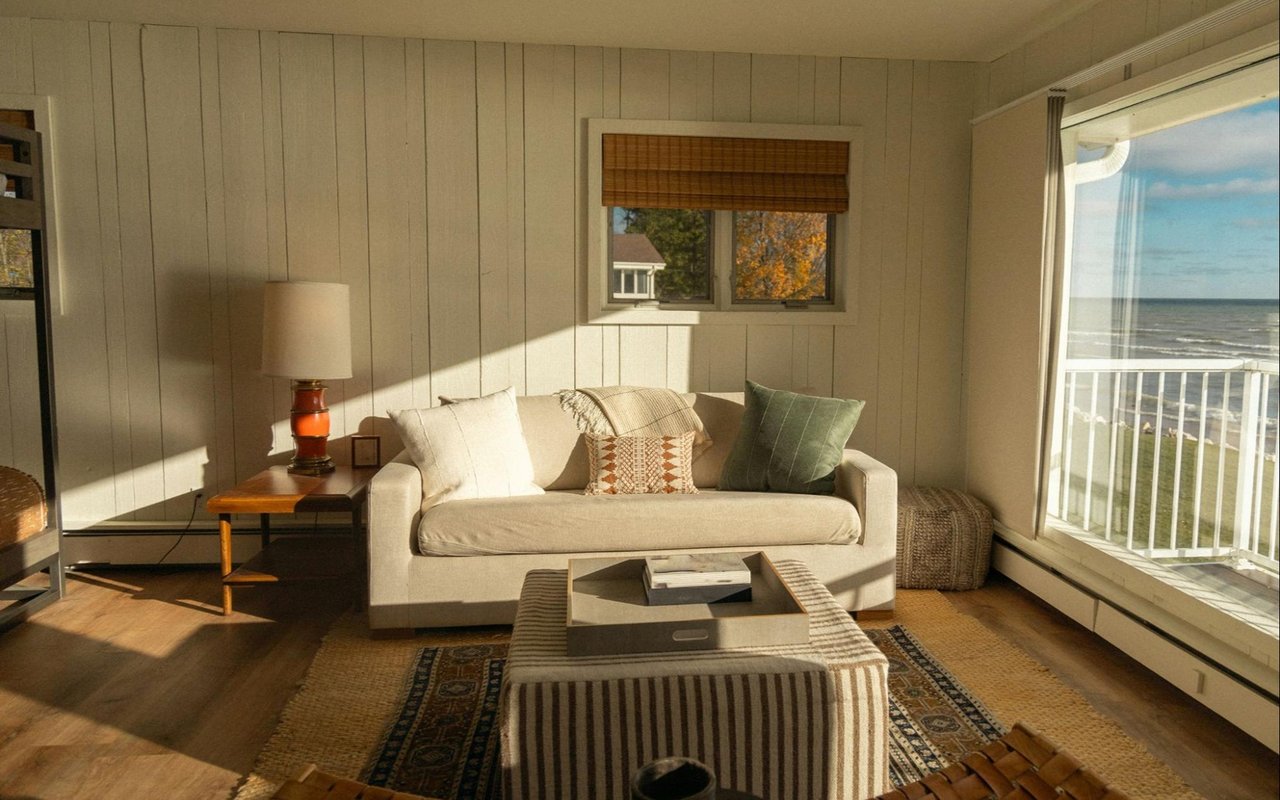
A deep, wide armchair with lumbar support is the classic choice for a reason. It accommodates long reading sessions without strain and fits into almost any library aesthetic. If space allows, a small sofa or loveseat creates a more relaxed, social feel. Window seats are another excellent option, particularly in homes with views worth pausing for, which Orange Beach is known for.
Whatever you choose, position your seating in relationship to both your task lighting and the natural light in the room. The goal is to be able to settle in at any time of day without having to search for a good reading spot. Add a small side table at the right height, a soft throw, and a surface for a drink, and you have a reading environment that will be hard to leave.
Seating Details That Make a Difference
-
Chair height and depth: A seat that is too shallow forces you to perch rather than settle in, which adds fatigue over time.
-
Armrests at the right height to support your arms while holding a book without hunching your shoulders.
-
A footstool or ottoman, if you prefer to read with your legs elevated.
-
Proximity to an outlet for charging devices, powering a lamp, or running a small speaker for ambient sound.
FAQs
Do I Need a Dedicated Room for a Home Library?
No. A single well-designed wall with floor-to-ceiling shelves, a reading chair, and proper lighting can function as a complete home library without requiring a separate room. The most important element is intention; the space should feel designed for reading, not incidental to it.
What Kind of Shelving Holds Up Best for an Extensive Book Collection?
For large or heavy collections, solid wood or plywood shelves are significantly more durable than particleboard or MDF. Shelf thickness matters; a shelf deeper than 12 inches that spans more than 36 inches without a center support will likely bow over time under the weight of books. If you are building custom shelves, your carpenter can specify the right thickness and span for your collection.
What Is the Best Paint Color for a Home Library?
Deep, saturated colors tend to work especially well in home libraries because they create a cocooning, immersive feeling that suits reading. Rich greens, navy blues, warm burgundies, and deep terracotta all photograph well and feel sophisticated in a shelved room. If you prefer a lighter palette, warm whites and soft off-whites keep the space from feeling too stark while still letting the books be the visual focus.
The Room You Will Always Be Glad You Built
A home library is one of those spaces that pays you back every single day. It gives you somewhere to go that feels entirely your own; a room designed around something you love, with everything in the right place and the light just so. Whether your collection is a few hundred beloved volumes or a few thousand, the space you build around it shapes how you engage with it.
Along the Gulf Coast, where homes reflect a certain intentionality about how life is lived, a home library fits naturally into the picture. It is the kind of addition that makes a house feel more completely like a home.
If you are thinking about a property that has the space to bring this vision to life, or if you are planning a renovation and want to incorporate a library into your design, our team would love to help. Reach out to us at the
Leigh McPherson Team in Orange Beach, Alabama.