By the Leigh McPherson Team
Owning a beautiful home along the Alabama Gulf Coast means living with some of the most stunning scenery in the country, but it also means contending with conditions that can push energy bills through the roof. The combination of intense summer heat, high humidity, salt air, and the occasional severe storm creates a unique set of challenges for Orange Beach homeowners.
The good news is that the right energy-efficient upgrades can dramatically reduce what you spend each month while making your living space more comfortable and resilient through every season.
Energy efficiency along the coast is about more than swapping out light bulbs. It requires thinking through how your home interacts with its environment, from the way heat radiates through your roof to how moisture infiltrates your walls. Coastal homes face accelerated wear on their systems and materials, which means that investing in upgrades that are both efficient and built to withstand salt air, high winds, and humidity pays off in compounding ways over time.
Whether you are planning to sell or simply want to lower your monthly costs, understanding which upgrades deliver the highest return in this climate will help you spend wisely.
Key Takeaways
-
Coastal climates require energy upgrades specifically focused on heat, humidity, and salt air exposure.
-
Improving insulation, air sealing, and HVAC performance often delivers the largest return on investment for Orange Beach homeowners.
-
Impact-rated windows and doors provide both energy savings and storm protection, making them among the most practical upgrades for this market.
-
Solar energy systems are increasingly cost-effective on the Gulf Coast, with the strong sun exposure supporting faster payback periods.
-
Many energy-efficient upgrades also increase resale value and appeal to buyers who understand the long-term cost benefits of owning a well-insulated coastal home.
Why Coastal Homes Lose Energy Differently
Before prioritizing upgrades, it helps to understand what makes Orange Beach homes especially prone to energy loss. The Gulf Coast climate presents a combination of stressors. Salt-laden air accelerates corrosion on HVAC equipment, window frames, and roofing materials. High ambient humidity forces air conditioning systems to work harder and longer to cool the air and remove moisture. And direct sun exposure in a region that receives intense UV radiation year-round puts constant thermal pressure on roofs, walls, and windows.
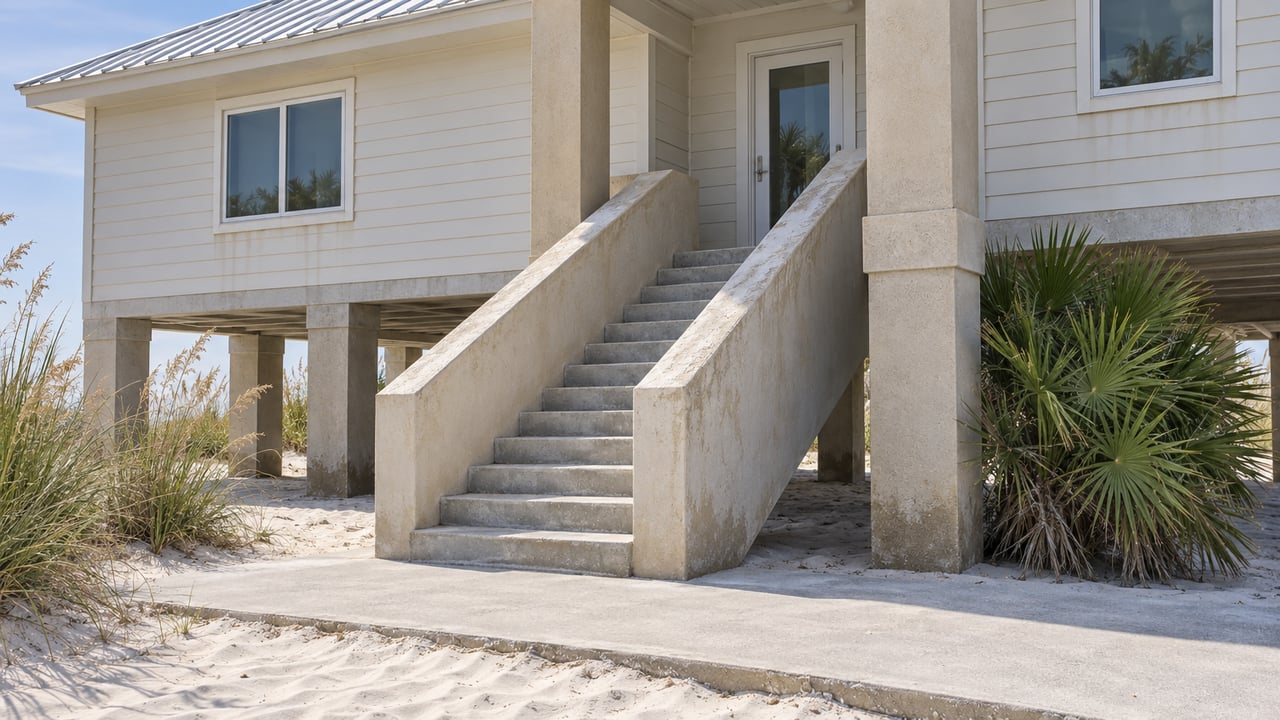
Many older coastal homes were also built before modern energy codes required adequate insulation, vapor barriers, or air sealing. Homes elevated on pilings, as many Orange Beach properties are, have floors exposed to ambient air on all sides, which creates notable heat gain in summer and heat loss on cooler winter nights. Without addressing the building envelope as a whole, any single upgrade will underperform its potential.
The most effective approach is to think of your home as a system. Cooling and heating equipment, windows, insulation, air sealing, and ventilation all interact with one another. Upgrading one element while ignoring the rest limits how much benefit you actually see on your energy bill.
Where Coastal Homes Typically Lose the Most Energy
-
Attic and roof assemblies that absorb and retain solar heat throughout the day.
-
Unsealed gaps around plumbing penetrations, electrical boxes, and HVAC ducts in unconditioned spaces.
-
Single-pane or aluminum-framed windows that transfer heat readily between the interior and exterior.
-
Elevated floors without insulation beneath the subfloor, exposed to ambient air on all sides.
-
Aging HVAC equipment that has lost efficiency due to salt corrosion or deferred maintenance.
HVAC Upgrades That Make Sense for the Gulf Coast
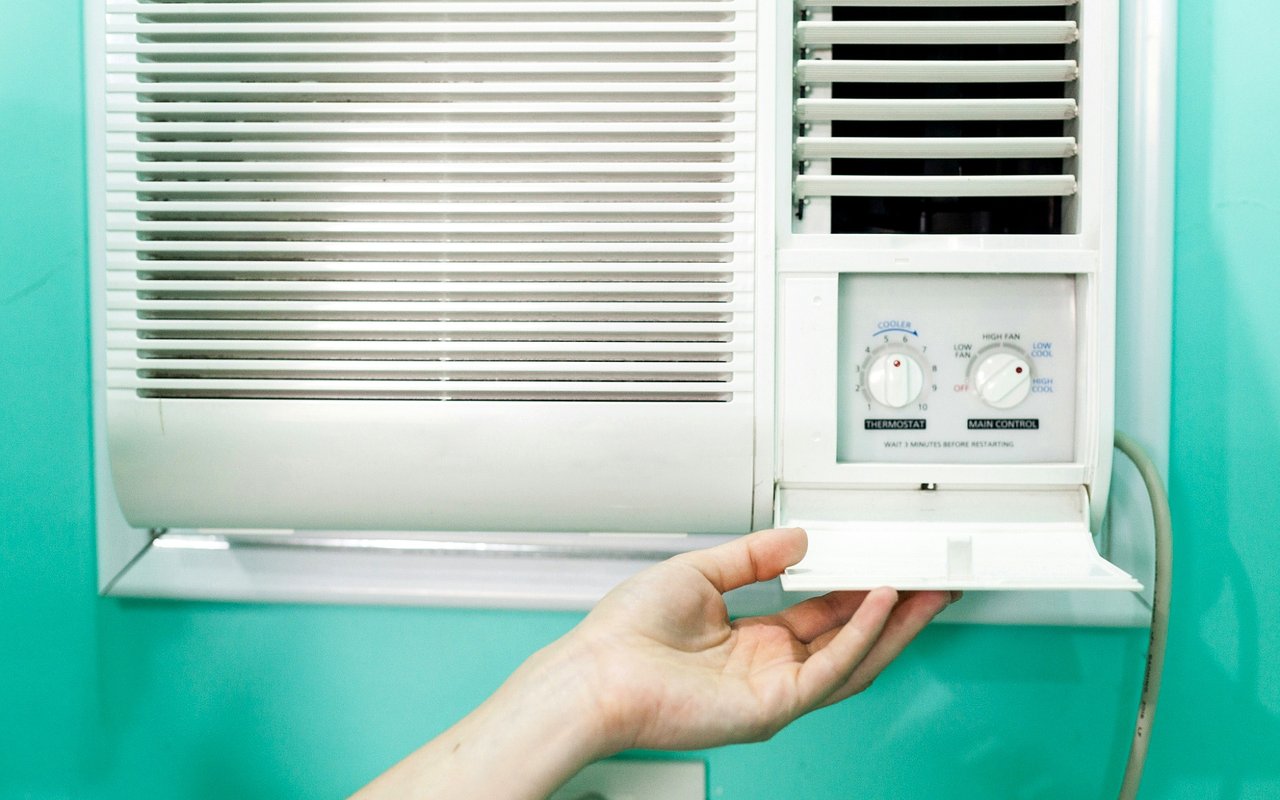
Your HVAC system is almost certainly your largest energy expense in Orange Beach. Summer cooling seasons run long, and the combination of heat and humidity means that the air conditioning runs for extended periods. Upgrading to a high-efficiency system, or ensuring your current system is well-maintained and properly sized, can have an immediate impact on your monthly bills.
Heat pumps have become the gold standard for Gulf Coast climates because they handle both cooling and mild winter heating efficiently. Modern variable-speed heat pumps modulate their output based on real-time demand rather than cycling on and off at full capacity, which reduces energy consumption and does a far better job of managing humidity. For coastal homes, specifying a unit with a corrosion-resistant coating on the outdoor coil is essential; standard equipment can corrode within a few seasons when exposed to salt air near the beach.
Duct sealing and insulation are another high-impact upgrade that often goes overlooked. Many Orange Beach homes have ductwork running through unconditioned spaces or beneath elevated floors, where it is exposed to extreme temperatures. When ducts leak or lack adequate insulation, conditioned air is essentially pumped into the void rather than delivered to the living spaces. Sealing and insulating ductwork can improve system efficiency by a meaningful margin without requiring full equipment replacement.
HVAC Upgrades To Prioritize in Orange Beach Homes
-
Variable-speed heat pumps rated for coastal environments with corrosion-resistant components.
-
Duct sealing using mastic sealant or metal tape on all accessible seams and connections.
-
Duct insulation upgraded to a minimum of R-8 in attic and under-floor runs.
-
Whole-home dehumidification systems that reduce moisture independently of cooling cycles.
-
Annual professional maintenance on outdoor coils, which corrode faster in salt air than in inland climates.
Impact Windows, Doors, and the Energy Argument
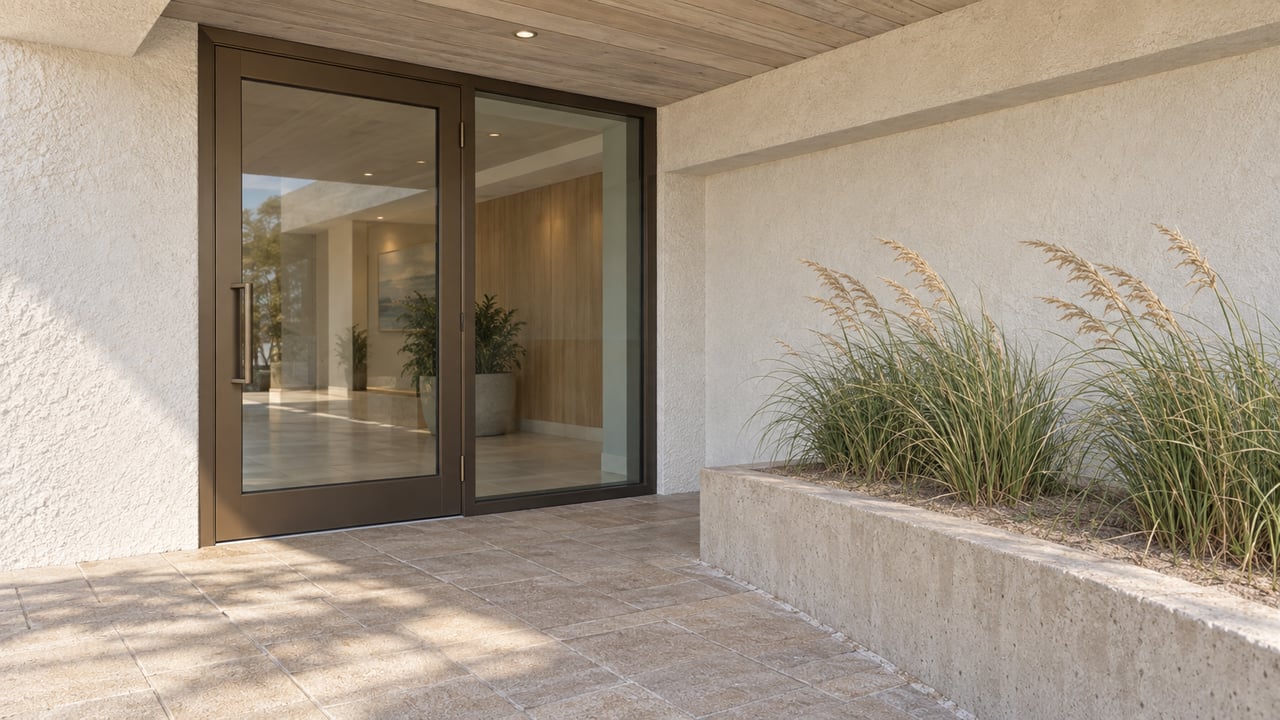
Impact-rated windows and doors are a requirement in many parts of coastal Alabama from a wind load and building code standpoint, but they also carry a compelling energy argument that often goes under-discussed. Modern impact-rated windows use laminated glass with low-emissivity coatings that reflect infrared heat away from interior spaces, reducing solar heat gain and the cooling load on your HVAC system throughout the summer.
Replacing older, aluminum, single-pane windows with impact-rated, thermally broken frames makes a substantial difference in comfort and energy performance. Thermally broken frames use insulating material between the interior and exterior surfaces of the frame, preventing the direct conduction of heat that older aluminum windows allow. In a climate as sunny and warm as Orange Beach, this is not a minor detail; it affects how hot your rooms get, how long your air conditioning runs, and how much you spend each month.
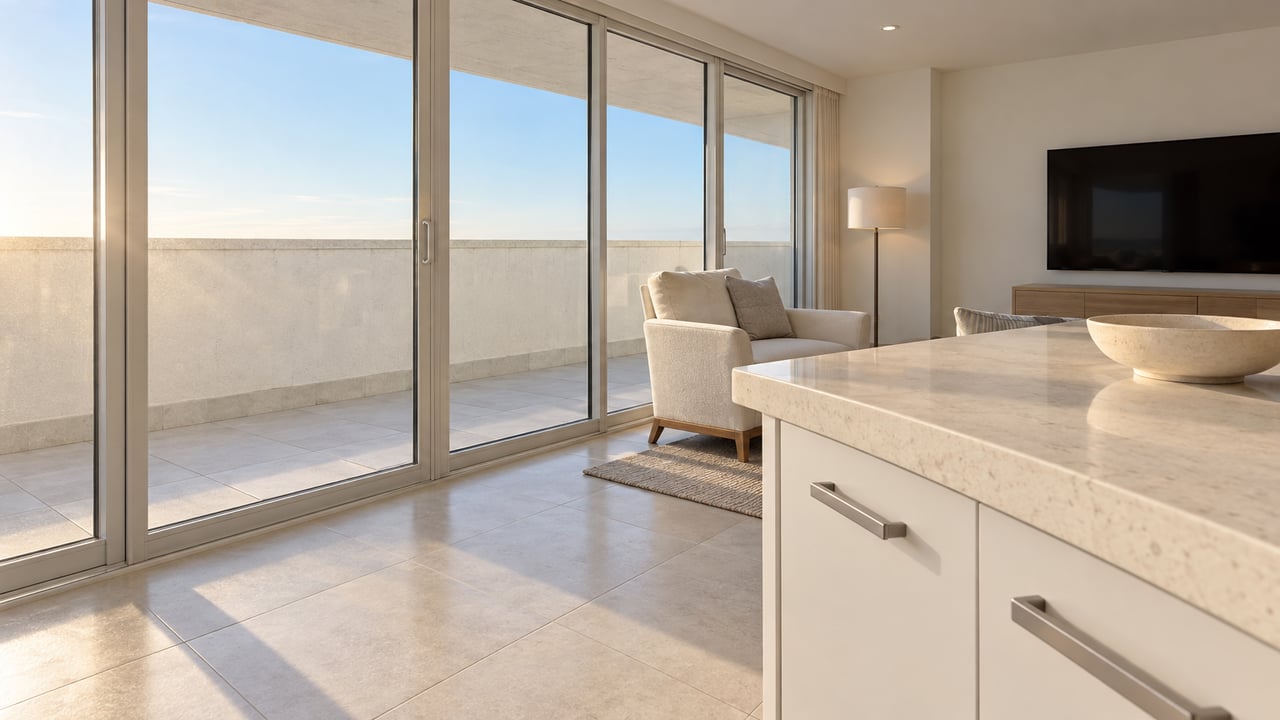
Door replacement follows similar logic. Exterior doors with proper weatherstripping and insulated cores stop conditioned air from escaping around the perimeter and reduce thermal transfer through the door panel itself. For homes with expansive glass slider doors facing the Gulf, specifying laminated, low-e glass is especially important because these openings receive direct sun exposure for much of the day.
What To Look for in Coastal Window and Door Upgrades
-
Impact-rated glass with a Solar Heat Gain Coefficient (SHGC) below 0.25 for Gulf-facing exposures.
-
Thermally broken frames in aluminum or fiberglass, which outperform standard aluminum in energy performance.
-
Proper installation with continuous air sealing at the rough opening to prevent infiltration at the frame perimeter.
-
Doors with an insulated core and tested air infiltration ratings.
-
Corrosion-resistant hardware rated for coastal exposure.
Roof and Insulation Upgrades for Hot, Humid Climates
The roof and attic assembly is often the single greatest source of heat gain in a Gulf Coast home. Standard dark asphalt shingles can reach surface temperatures well above 150 degrees on a sunny summer afternoon, and when insulation is inadequate, that heat radiates directly into conditioned living spaces.
Cool roofing materials, including light-colored or reflective shingles, metal roofing with reflective coatings, and tile, reduce the amount of solar energy absorbed by the roof surface. When combined with adequate insulation and proper ventilation, cool roofing can noticeably reduce peak cooling demand on hot days. Metal roofing in particular has become increasingly popular in coastal markets because it offers wind resistance, longevity in salt air environments, and reflective properties that support energy efficiency.
Spray foam insulation in the attic, applied to the underside of the roof deck, creates what is known as an unvented or conditioned attic. This approach keeps ductwork and HVAC equipment within the conditioned envelope of the home, eliminating one of the most common sources of efficiency loss in Gulf Coast homes.
Attic and Roof Upgrades To Consider
-
Reflective or cool roofing materials that reduce surface temperature and solar heat gain.
-
Spray foam, applied to the roof deck, for a conditioned attic assembly.
-
Blown-in insulation to a minimum of R-30 in vented attic assemblies on the floor plane.
-
Radiant barriers installed beneath the roof sheathing.
-
Gable and ridge venting to allow hot air to escape in vented attic configurations.
Solar Energy on the Alabama Gulf Coast
Orange Beach receives sun exposure throughout the year, making it a favorable location for residential solar systems. For homes with high cooling loads, adding solar capacity to offset peak summer electricity consumption can make a significant dent in annual utility costs.
Battery storage systems are increasingly paired with solar installations in coastal markets, providing backup power during outages. This dual benefit, lower ongoing energy costs combined with resilience during storm season, makes solar an attractive option for homeowners who plan to stay in Orange Beach for the long term.
Roof orientation, shading, and available surface area all factor into whether a solar installation will perform well on a specific property. A qualified installer familiar with coastal conditions and local utility interconnection requirements should assess your home before you invest.
Solar Considerations for Orange Beach Homeowners
-
Confirm roof age and condition before installation; a roof replacement before mounting panels avoids costly removal later.
-
Assess panel materials for salt air compatibility; some products are specifically rated for marine and coastal environments.
-
Consider battery storage systems that provide backup capacity.
FAQs
What Energy-Efficient Upgrades Offer the Best ROI for Orange Beach Homes?
HVAC upgrades, duct sealing, and improved insulation consistently deliver strong returns in coastal Alabama because they address the most significant sources of energy loss in this climate. Impact windows and doors offer dual value, combining energy savings with storm protection, which is particularly relevant for coastal properties. Solar installations have also become increasingly cost-effective for Orange Beach homeowners.
How Does Salt Air Affect Energy-Efficient Equipment?
Salt air accelerates corrosion on metal components, including HVAC coils, window frames, and roofing materials. When selecting energy-efficient equipment for an Orange Beach home, it is important to specify products rated or coated for coastal environments. HVAC units with corrosion-resistant outdoor coils, fiberglass or vinyl window frames, and marine-grade fasteners for solar installations will all perform more reliably over time than standard inland specifications.
Can Energy-Efficient Upgrades Increase the Resale Value of a Coastal Home?
Yes. Buyers in coastal markets are often discerning about the long-term cost of ownership, and homes with updated HVAC systems, impact-rated windows, well-insulated spaces, and solar installations command attention in the market.
Make Your Coastal Home Work Smarter All Year
Energy efficiency on the Alabama Gulf Coast is not a one-size-fits-all proposition. The heat, humidity, and salt air that define Orange Beach's climate require thoughtful choices about which upgrades to make for maximum impact. The homes that perform best are those where owners have addressed the building envelope, modernized their mechanical systems, and invested in materials that hold up against what this environment delivers.
The
Leigh McPherson Team is here to guide you through decisions that affect your comfort and the long-term value of your property. Whether you are considering upgrades before listing your coastal home in Orange Beach or evaluating which improvements to prioritize as you buy, we are ready to help. Reach out to our team today to get started.